A digital platform for running a library
ACS Digital Library
Catalogue, readers, loans and reporting in one system. Support for MARC formats, Rosstat form 6-NK and full-text search across a Russian collection.
What is inside
We build one digital system for serving readers and keeping records of the library collection.
-
Collection catalogue
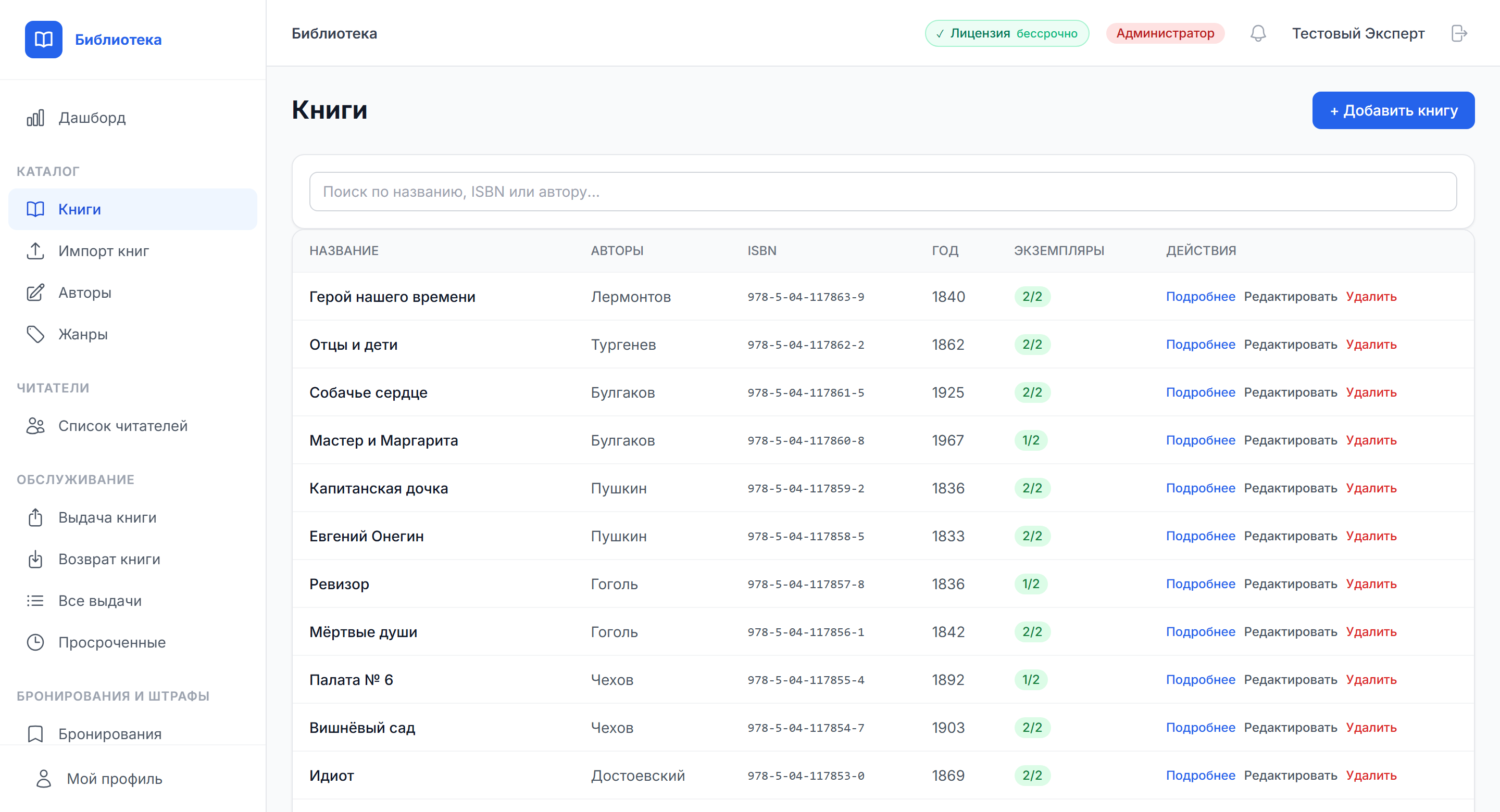
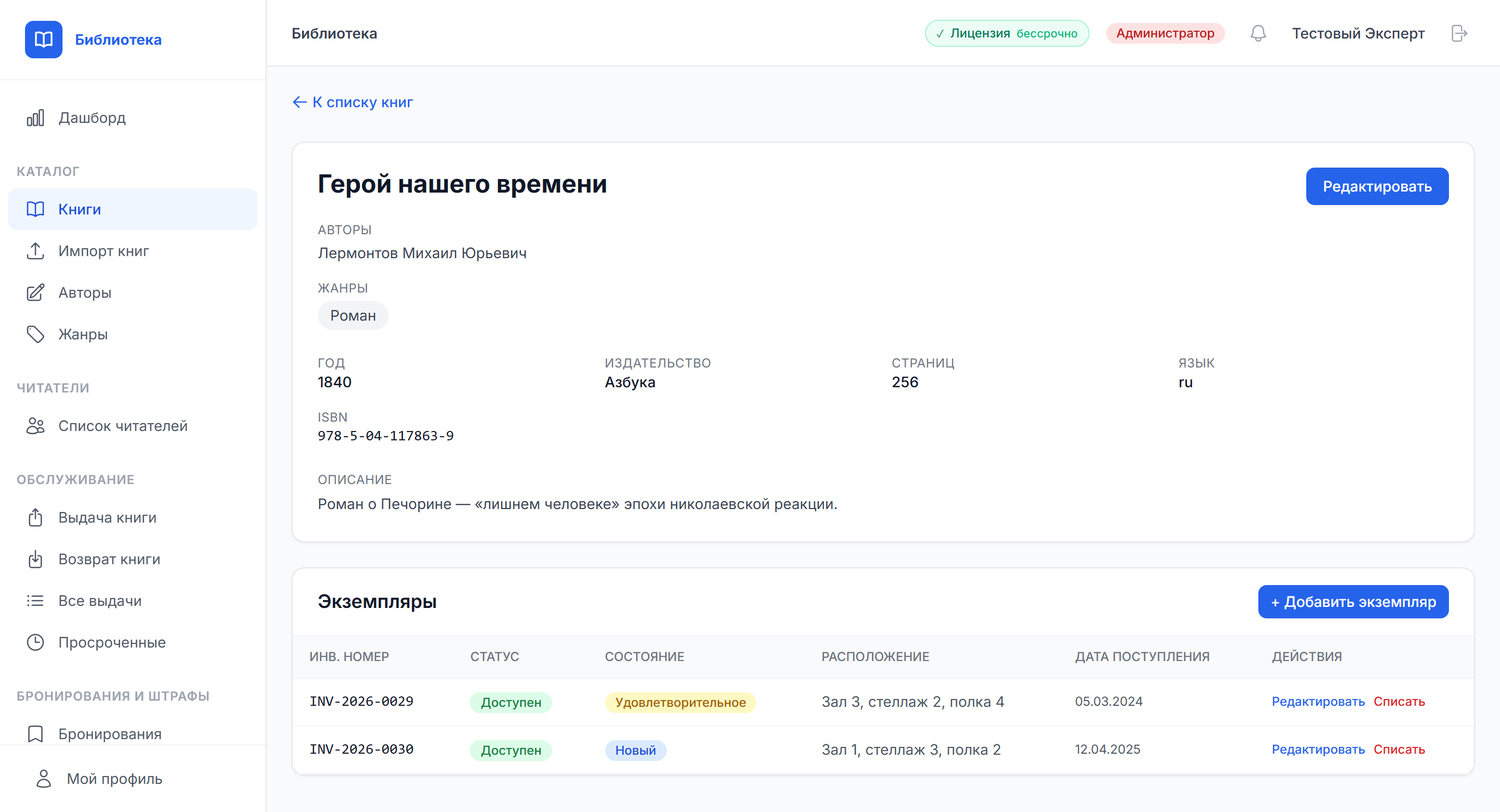
Books, authors, genres, individual copies with inventory numbers and condition
-
Reader records
Registration, reader cards with a QR code and a history of visits
-
Loans and returns
Issuing loans, extensions, control of overdue returns
-
Reservations and fines
A queue of reservations with notifications, charging and payment of fines for overdue items
-
Import of MARC and tables
Loading from the Russian State Library and the National Library of Russia (UNIMARC, RUSMARC, MARC21) and from Excel or CSV
-
Printing cards and barcodes
A6 reader cards with a QR code, copy labels in Code-128 format
-
Notifications and audit
Email about an approaching return, a log of all user actions
-
Form 6-NK reporting
The federal Rosstat form filled in automatically from collection and service data.
Interface
-
Control panel
KPIs for the collection, loans and readers
-
Book catalogue
Search, filters, edition records
-
Readers
A card index with cards and history
-
Loans
A register of loans, returns and overdue items.
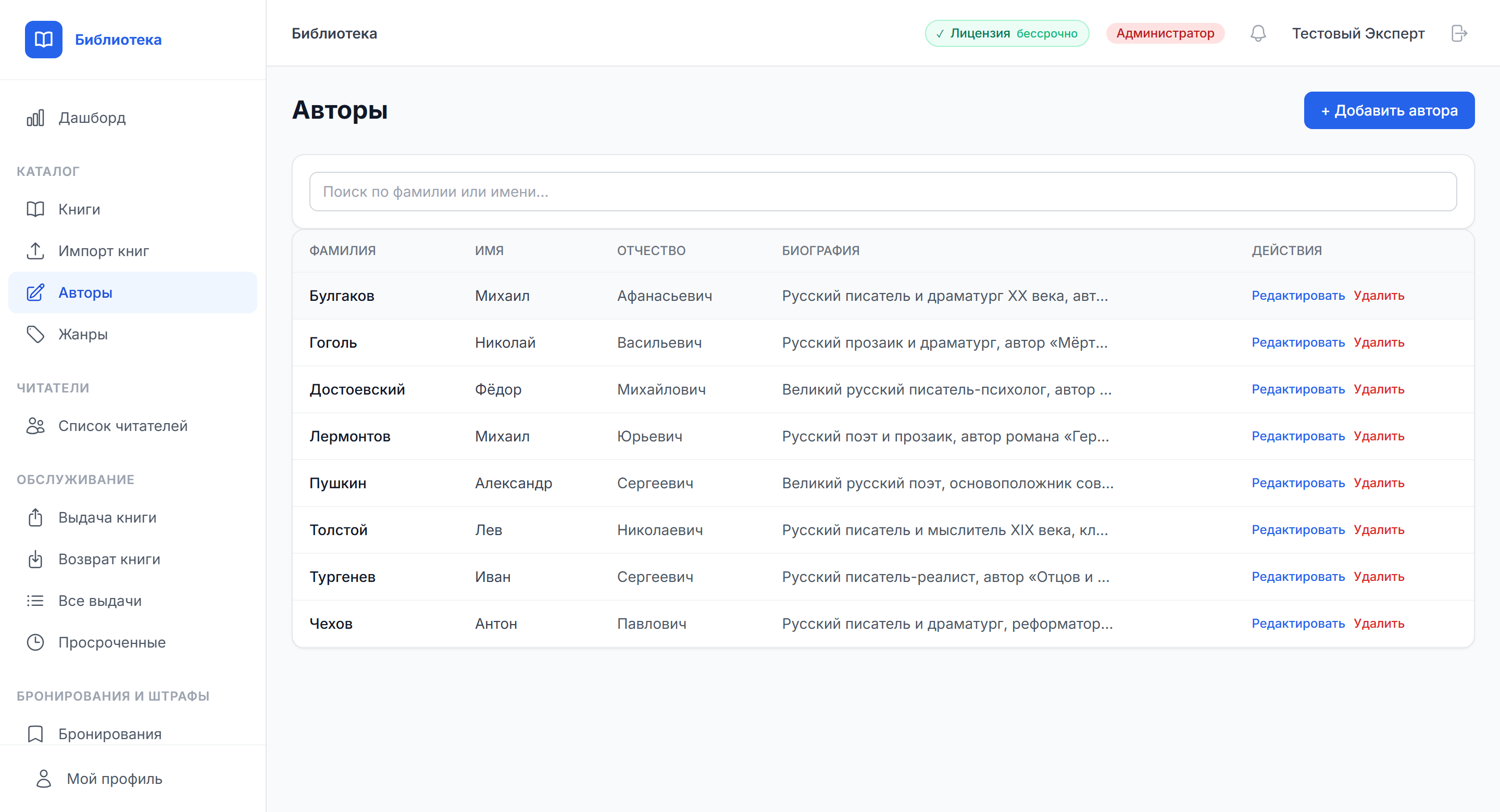
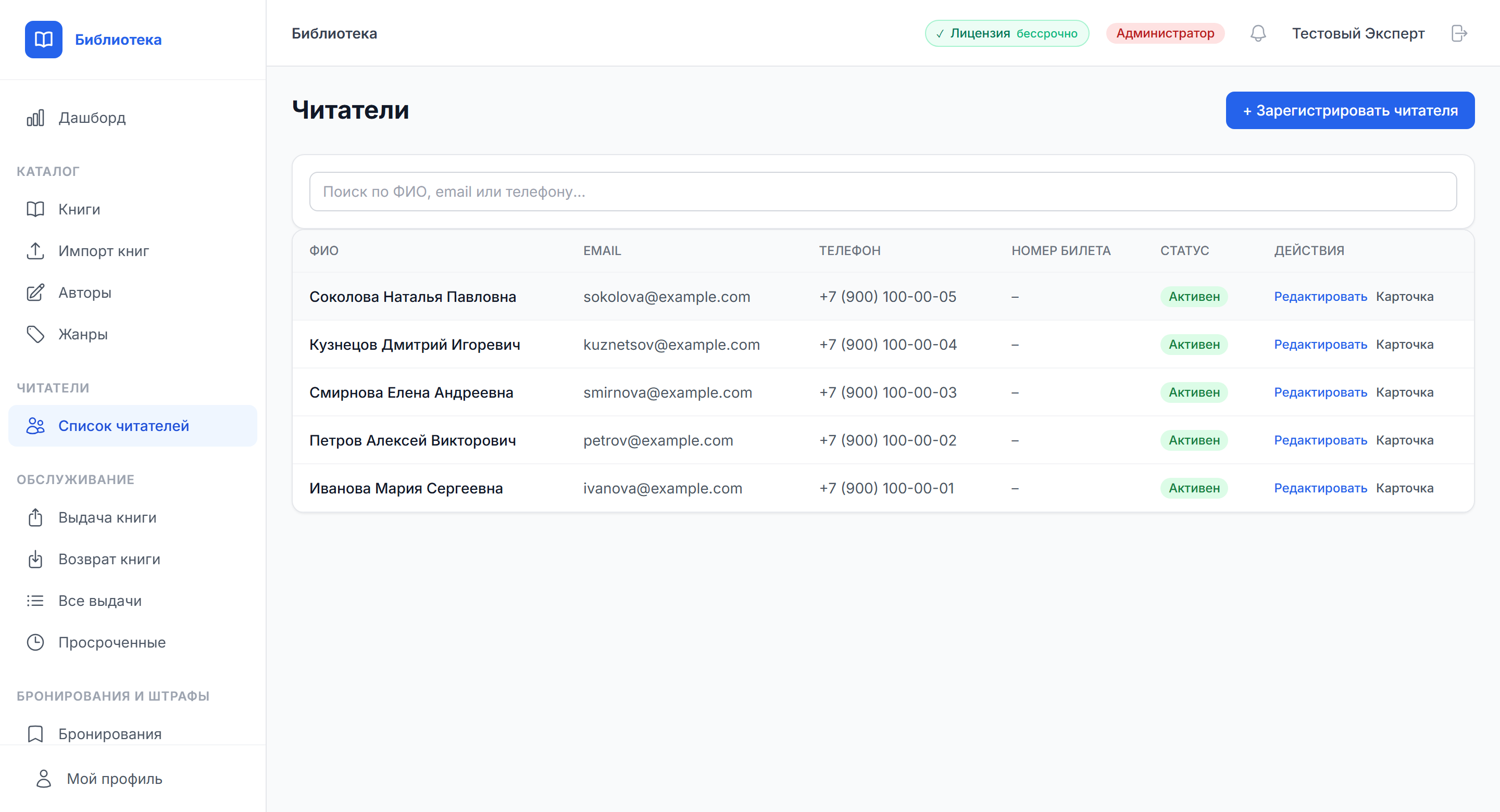
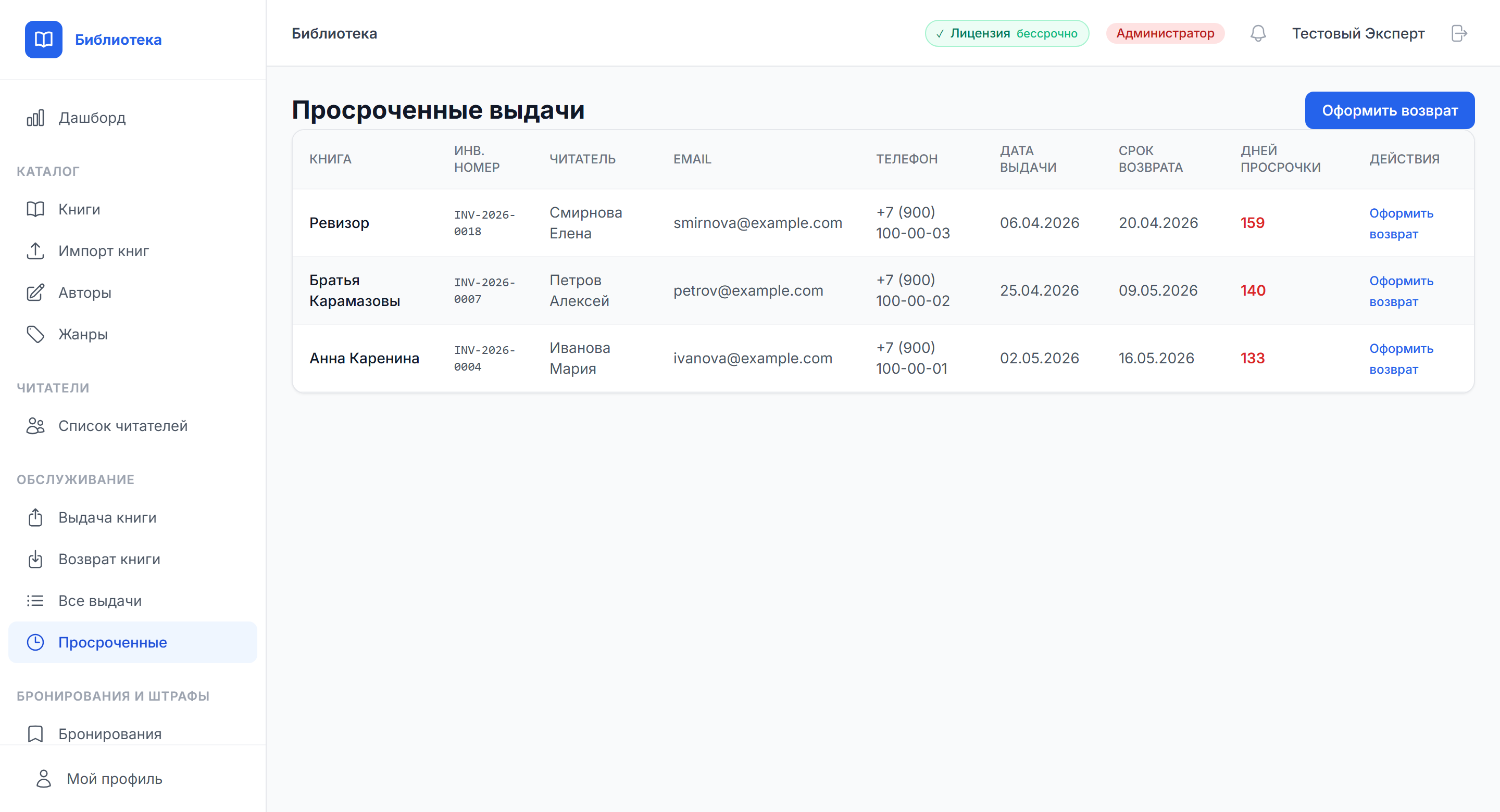
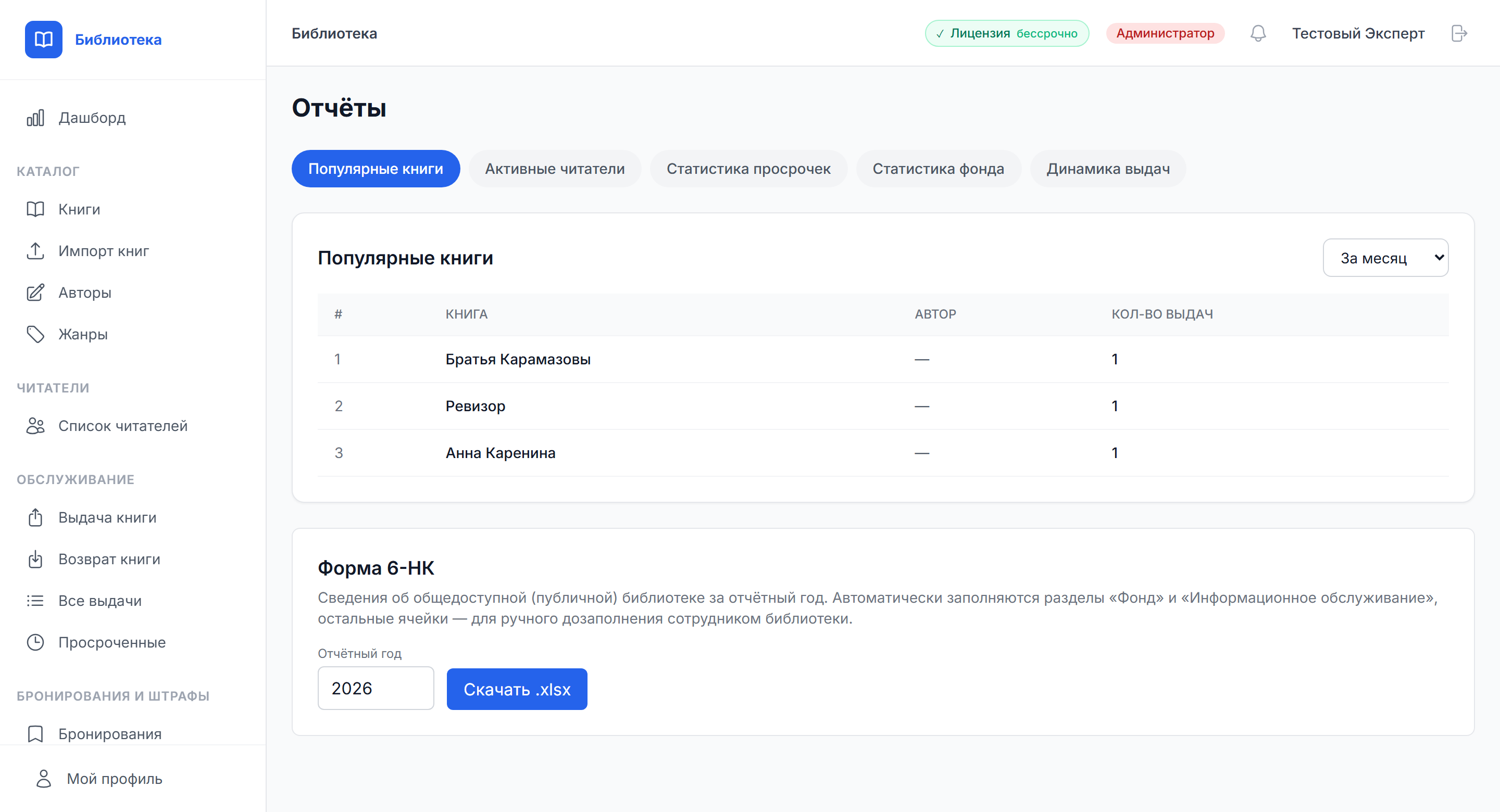
Cataloguing
Import of MARC catalogues and bulk loading from spreadsheets. The cataloguer does not enter data by hand: records come from library authority sources or are loaded in bulk from Excel or CSV.
-
ISO 2709 import
Loading records from the Russian State Library, the National Library of Russia and other compatible sources
-
UNIMARC, RUSMARC, MARC21
Support for the three main dialects of bibliographic formats
-
Automatic encoding detection
Recognition of UTF-8 and CP1251 — Cyrillic does not break
-
Import from tables
Excel and CSV with recognition of headings in Russian and English
-
Upsert by ISBN
Loading again updates existing records instead of multiplying copies
-
Full-text search
Russian morphology, fuzzy matching by trigrams, the letters yo and e treated alike
-
Printing barcodes
Code-128 labels on an A4 sheet for marking copies.
Keeping the collection
Records of the condition of copies and control of return dates. Every copy has an independent status — available, on loan, reserved, under restoration, written off.
-
Condition of preservation
A note on the condition of every copy at issue and at return
-
Restoration and write-off
The statuses under restoration and written off, with the full history kept
-
Overdue control
An hourly cron scanner tracks approaching returns automatically
-
Email notifications
Three days and one day before the return; if overdue, the notice repeats
Cards and fines
Reader cards with a QR code and automatic calculation of fines. The cashier scans the QR code of the reader and the system opens the profile and the loan history. Fines are calculated automatically from the settings of the accounting policy.
-
Reader card
An A6 card with a QR code, a unique number, a validity period, printing on an ordinary printer, a link to the account on the site.
-
Fines
Charged for every day overdue at the rate from the settings, charged by hand for loss and damage, payment registered with a history, the reader notified.
Integrations
A link with outside catalogue sources and reporting systems. The platform connects to library sources and state reporting systems so that the cataloguer does not enter data twice.
-
The Russian State Library and the National Library of Russia
exports in MARC formats and copy cataloguing by ISBN.
-
UNIMARC, RUSMARC, MARC21
three main dialects, the ISO 2709 format.
-
Excel, CSV and XML
bulk import of records and copies.
-
1C:Library, IRBIS, OPAC
import of catalogues by an agreed schema.
-
Rosstat form 6-NK
filled in and exported automatically.
-
Email
notification mailings to readers about returns and fines.
-
The unified identification system, Gosuslugi and the interagency exchange system for school libraries
planned.
-
REST API
for non-standard integrations, with OpenAPI documentation.
How it works in practice
-
An edition arrives
The cataloguer imports a MARC record from the Russian State Library or loads an Excel file from the supplier; copies are created with inventory numbers and Code-128 barcodes are printed.
-
Registering a reader
Registration in the card index and the issue of an A6 reader card with a QR code for quick scanning at the loans desk.
-
Issuing a book
The reader card is scanned, then the barcode of the copy. The return date is set automatically from the accounting policy.
-
Control of returns
The cron scanner checks approaching and overdue returns every hour, sends emails to readers and charges fines automatically.
-
Reporting
At the end of the year, Rosstat form 6-NK is exported to Excel with the sections on the library collection and on service filled in automatically.
What it solves
The system helps cut the routine work of the cataloguer, speed up service to readers and simplify reporting
How the platform solves it
-
Collection records
A central base of editions and copies with a full history.
-
Keeping the copies
Control of the condition, the status and the location of every book.
-
Serving readers
A card index with a history of loans, reservations and fines.
-
Automation
Less manual entry thanks to MARC import and templated operations.
-
Transparent work
An action log and access to current data for every member of staff.
-
Support for decisions
Reports for management and preparation of Rosstat form 6-NK.
The effect for the library
Catalogue, service and reporting in one system — with support for the requirements of Rosstat.
-
Collection catalogue
Books, authors, genres, copies with inventory numbers and condition.
-
Import of records from the two national libraries
An ISO 2709 parser: UNIMARC, RUSMARC, MARC21.
-
Full-text search
Russian morphology and fuzzy matching.
-
Reader cards
An A6 card with a QR code, printed with one button.
-
Marking of copies
Code-128 barcodes, one at a time or in batches.
-
Overdue control
A scanner every hour, letters three days and one day before the return.
-
Fines for overdue items
Charged automatically at the rate from the accounting policy.
-
Rosstat form 6-NK
The sections on the collection and on service filled in automatically.
-
Audit log
Every significant operation, with a filter by user and by entity.
Who it is for
The solution suits a wide range of libraries, whatever their size or reporting line.
-
School and university libraries
Records of textbooks and study materials, loans to pupils and students
-
Public municipal libraries
Service to readers, overdue control, Rosstat form 6-NK
-
Regional libraries
A large collection, MARC cataloguing, multi-user work
-
Departmental and corporate libraries
Records of a departmental collection, access control for staff
-
Academic and educational institutions
Cataloguing of specialist literature and periodicals.
-
Archives and local history libraries
Structured storage and search of rare and local history editions.
Security
Installed in the infrastructure of the library — the data never leaves the perimeter of the client. Deployment on the servers of the library, isolation of data by tenant, compliance with federal law 152-FZ on the personal data of readers.
The perimeter of the client
-
Deployment
On-premises on the servers of the library, Linux and Docker Compose.
-
Requirements
from 2 vCPU and 4 GB of memory; a cloud subscription as an alternative.
-
Backups
a daily automatic dump of the database.
-
Personal data
152-FZ, storage in Russia.
-
Roles
a role-based access model and an audit log of all actions.
-
Access
JWT authentication, a limit on the rate of sign-in attempts.
-
Exporting backups
To external storage of the client: S3, NAS or FTP.
Pricing
The cost is calculated for the library — there is no universal price. It depends on the size of the collection, the number of readers, data migration and the list of modules.
What the cost depends on
-
The size of the collection
The number of records and copies in the catalogue.
-
The number of users
Cataloguers, librarians, fine cashiers.
-
The list of modules needed
Catalogue, loans, reservations, fines, reporting.
-
Data migration
Transfer from 1C, IRBIS, Excel.
-
Integrations
The two national libraries, the interagency exchange system, the unified identification system.
-
Training and support
Launch, staff training, support.
-
Licensing options
On-premises as a one-off, or a monthly cloud subscription.
Three steps to a quote
-
Fill in the questionnaire
Tell us about the size of the collection, the tasks and the infrastructure.
-
Get the quote
Within three working days by email, broken down by module.
-
A demo and a pilot
We will show the system live and discuss a rollout plan.
Documentation
User guide — for the cataloguer, the librarian, the fine cashier and the manager.
-
User guide
PDF, about thirty-two pages: catalogue, MARC import, reader card index, loans, reservations, fines, printing cards and barcodes, reports, form 6-NK, audit, settings.
Projects
-
 Touch sphere and videos for the Shvabe tent at the “Engineers of the Future — 2026” forum
/2026 — Events
Touch sphere and videos for the Shvabe tent at the “Engineers of the Future — 2026” forum
/2026 — Events
-
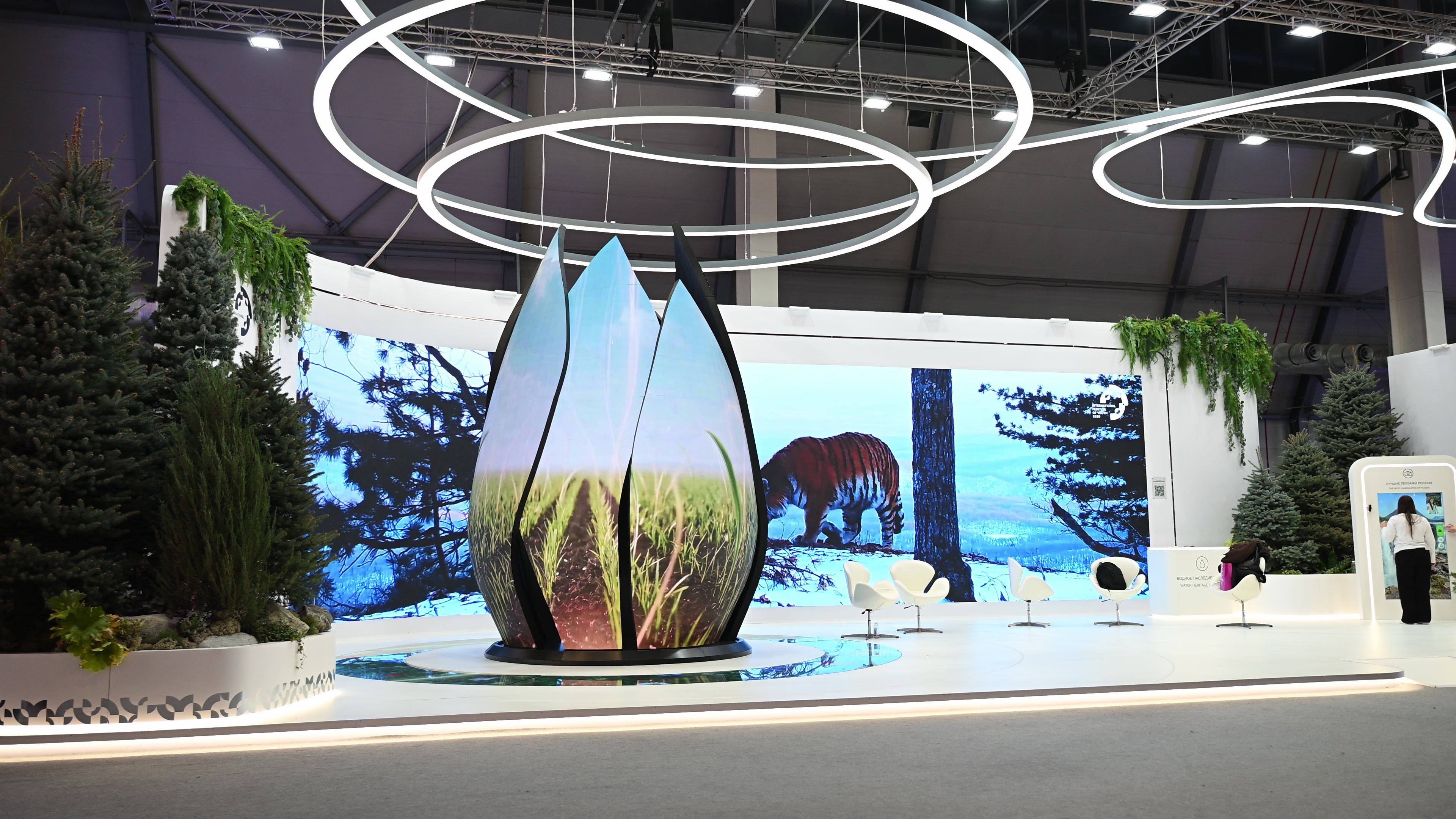 Multimedia for the Ministry of Agriculture of Russia’s “Source of Life” exhibition at the International Youth Festival 2026
/2026 — Exhibitions
Multimedia for the Ministry of Agriculture of Russia’s “Source of Life” exhibition at the International Youth Festival 2026
/2026 — Exhibitions
-
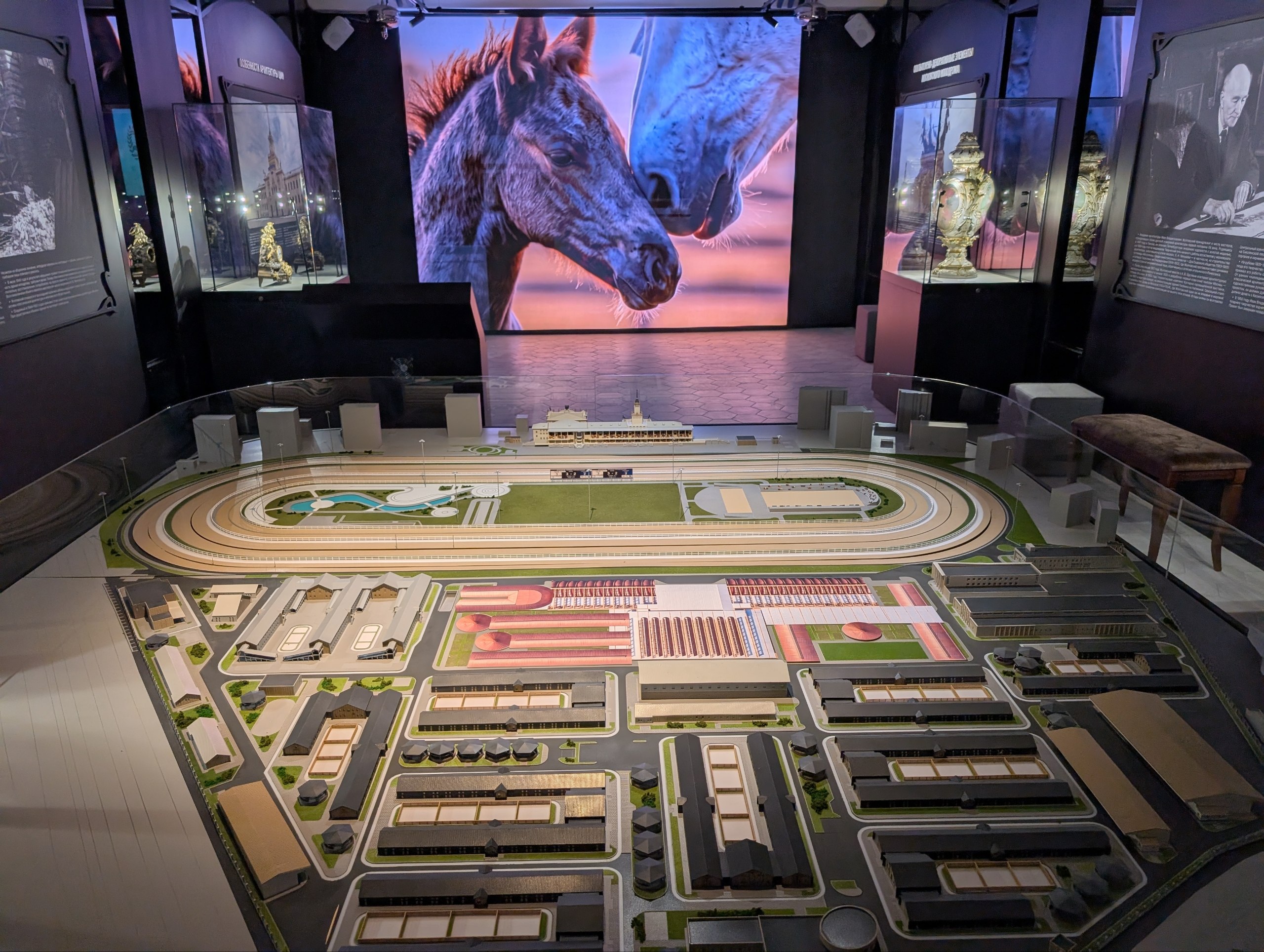 Interactive installations for the museum of the Central Moscow Hippodrome
/2026 — Museums
Interactive installations for the museum of the Central Moscow Hippodrome
/2026 — Museums
-
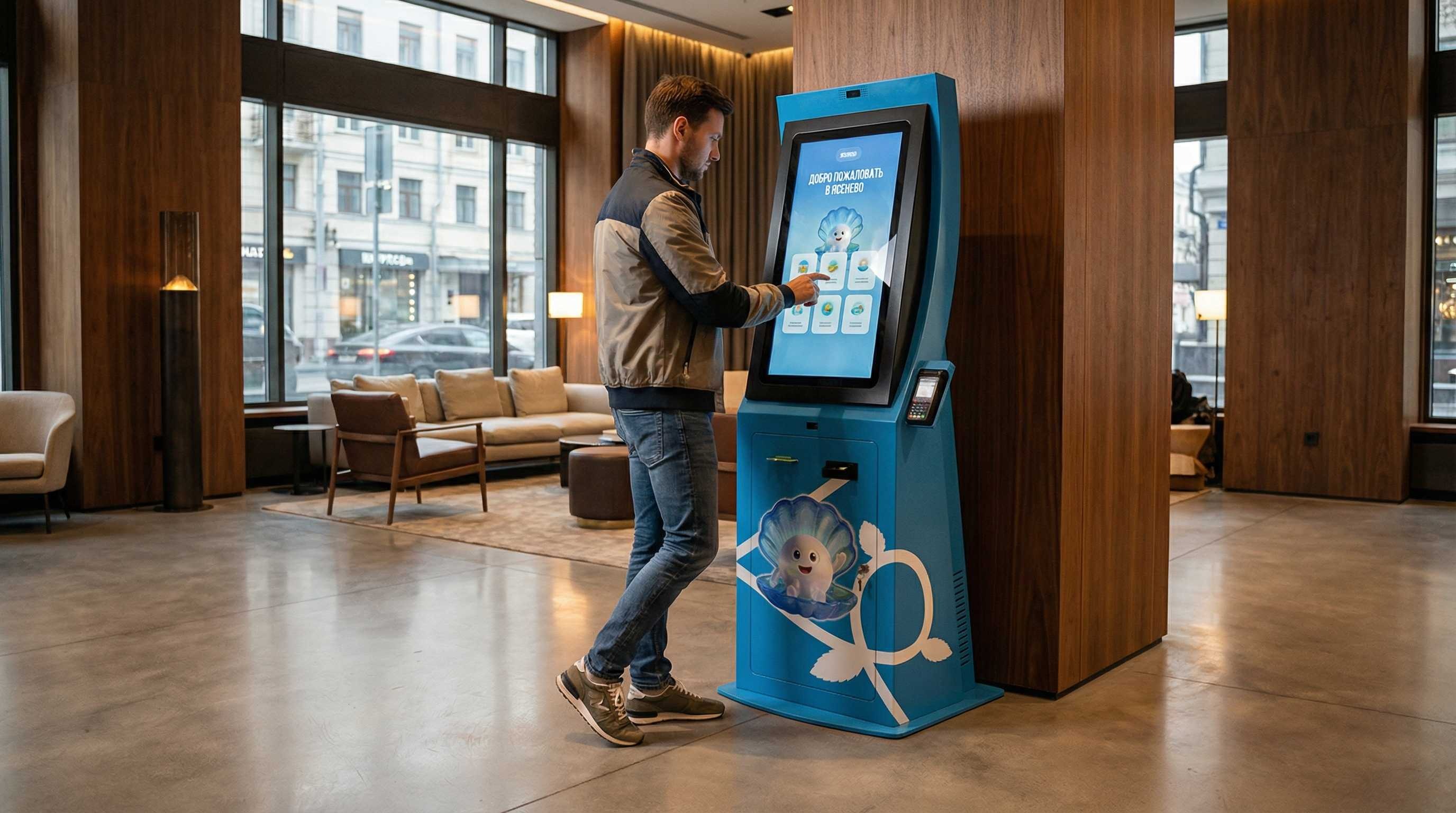 Information terminal for the Yasenevo district
/2026 — Digital
Information terminal for the Yasenevo district
/2026 — Digital
-
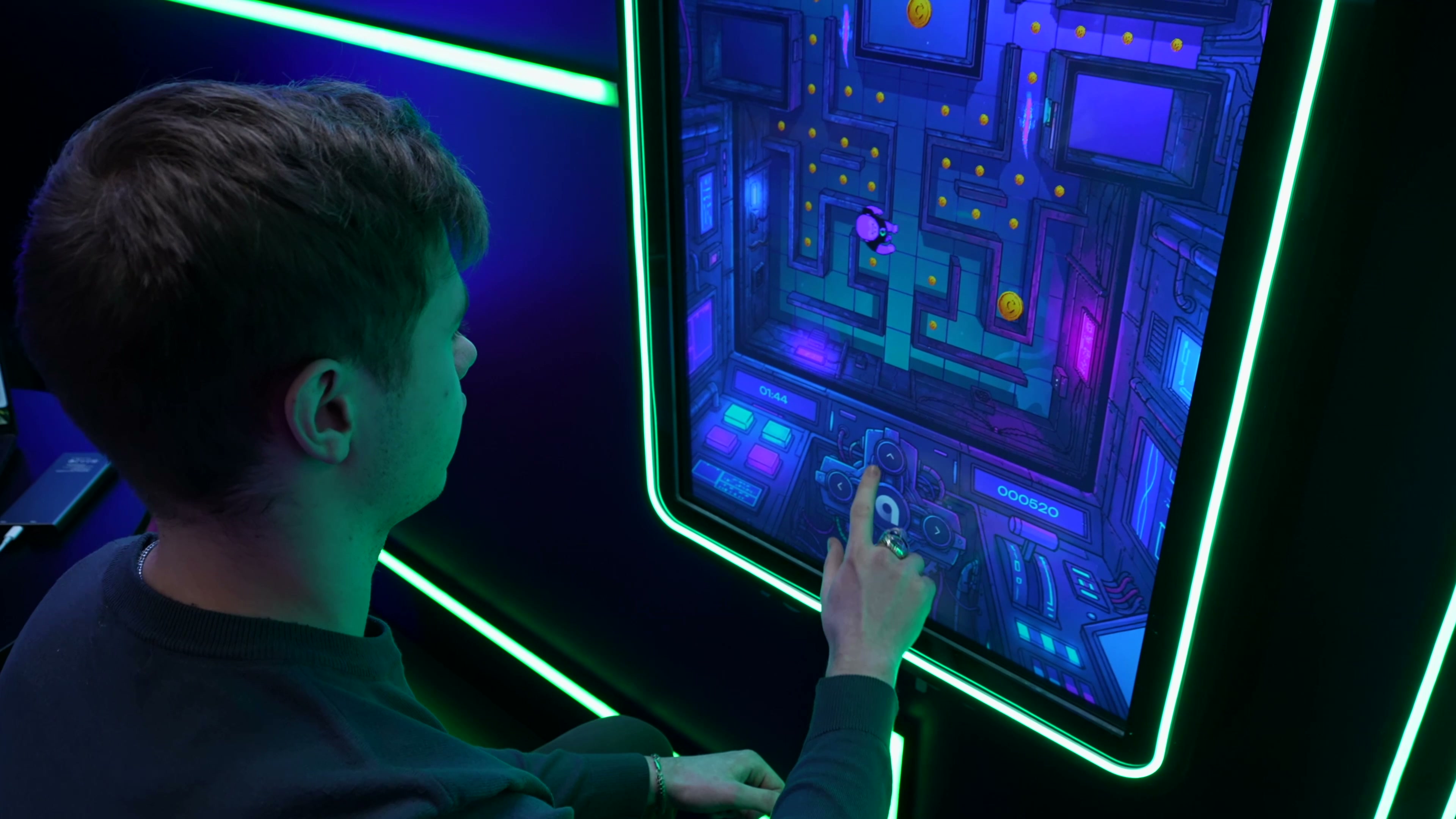 Interactive applications for the Academy of Innovators stand at StudFest 2026
/2026 — Events
Interactive applications for the Academy of Innovators stand at StudFest 2026
/2026 — Events
-
 Animated presentation on climate and agriculture for Roshydromet
/2026 — Exhibitions
Animated presentation on climate and agriculture for Roshydromet
/2026 — Exhibitions
-
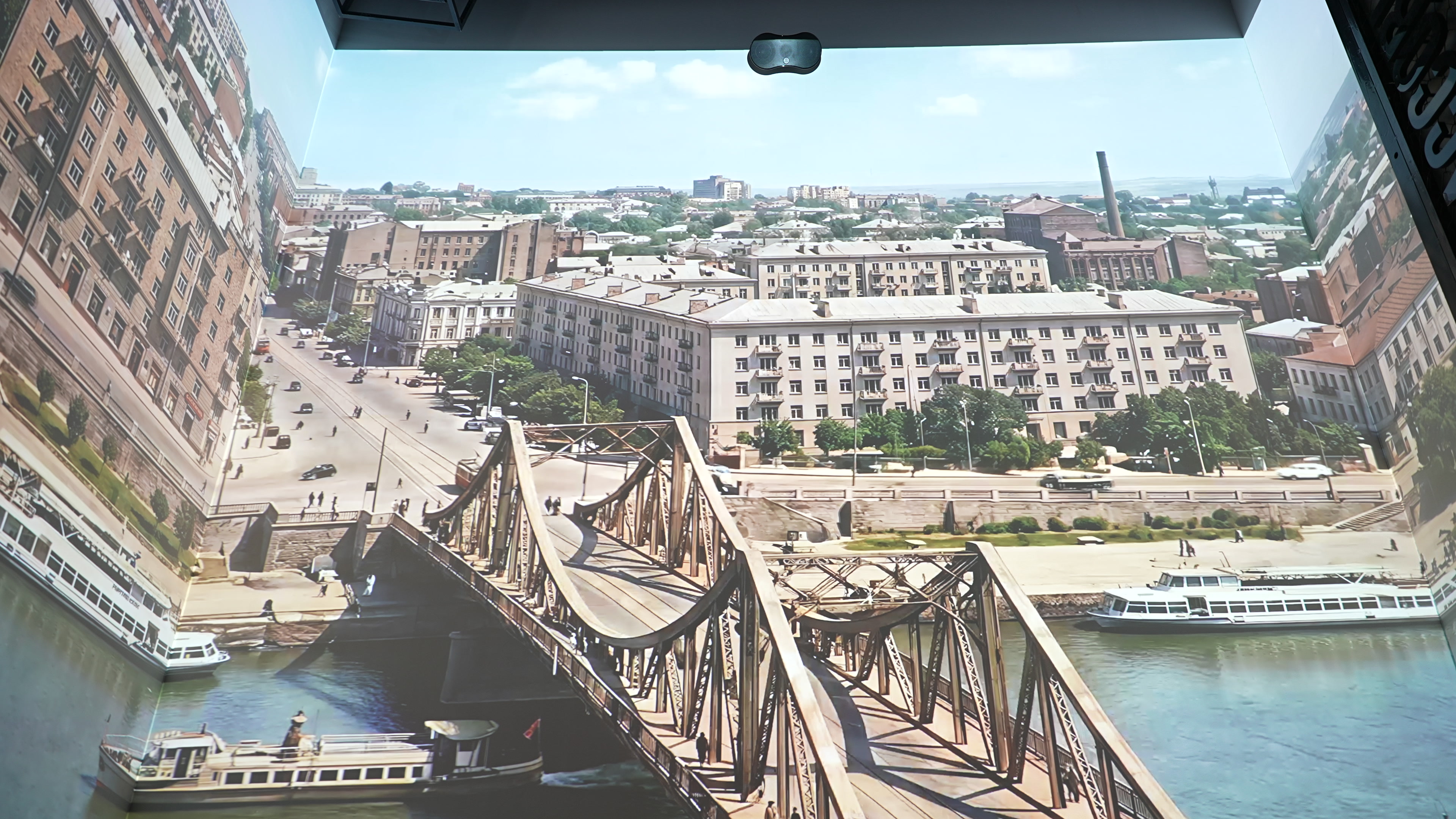 Multimedia installations for the Museum of Memory
/2026 — Museums
Multimedia installations for the Museum of Memory
/2026 — Museums
-
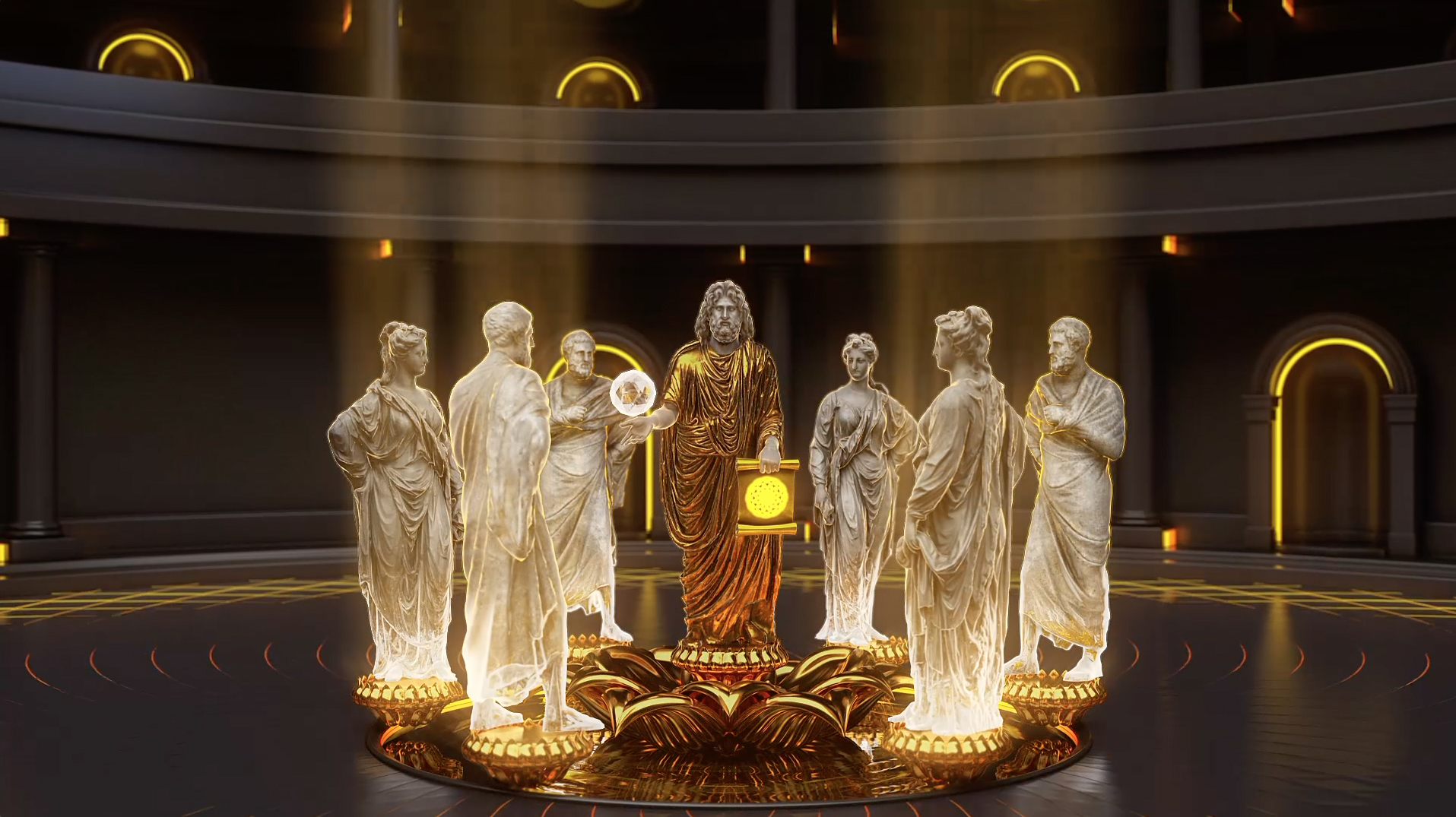 Promo film for the Vitaly Brinkmann School
/2021 — Digital
Promo film for the Vitaly Brinkmann School
/2021 — Digital