Museums · 2025
“The last summer of childhood” exhibition at the Museum of Cinema
Museums / “The last summer of childhood” exhibition at the Museum of Cinema
About the project
Interactive exhibits for an exhibition about Pioneer camps at the Museum of Cinema at VDNKh: scales with a weight-gain chart, a kite, a tent with films, the last bell and a screen with visitors’ photographs.
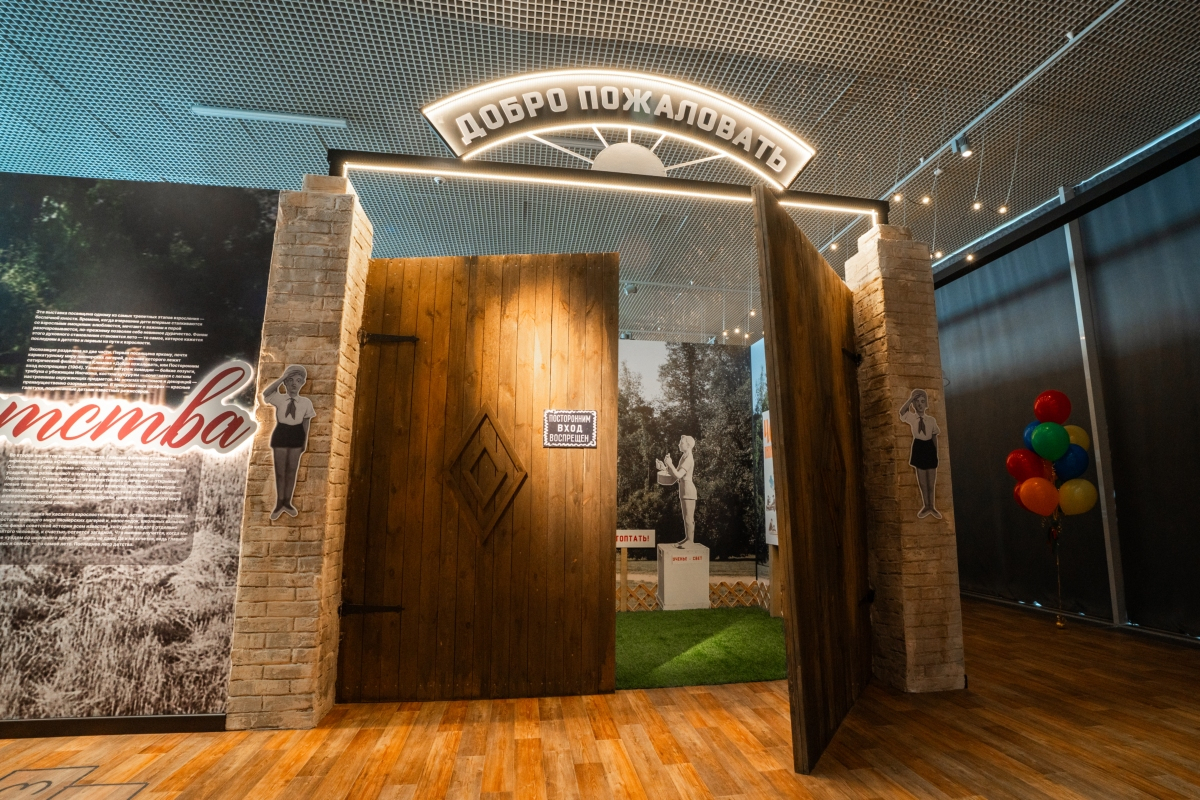
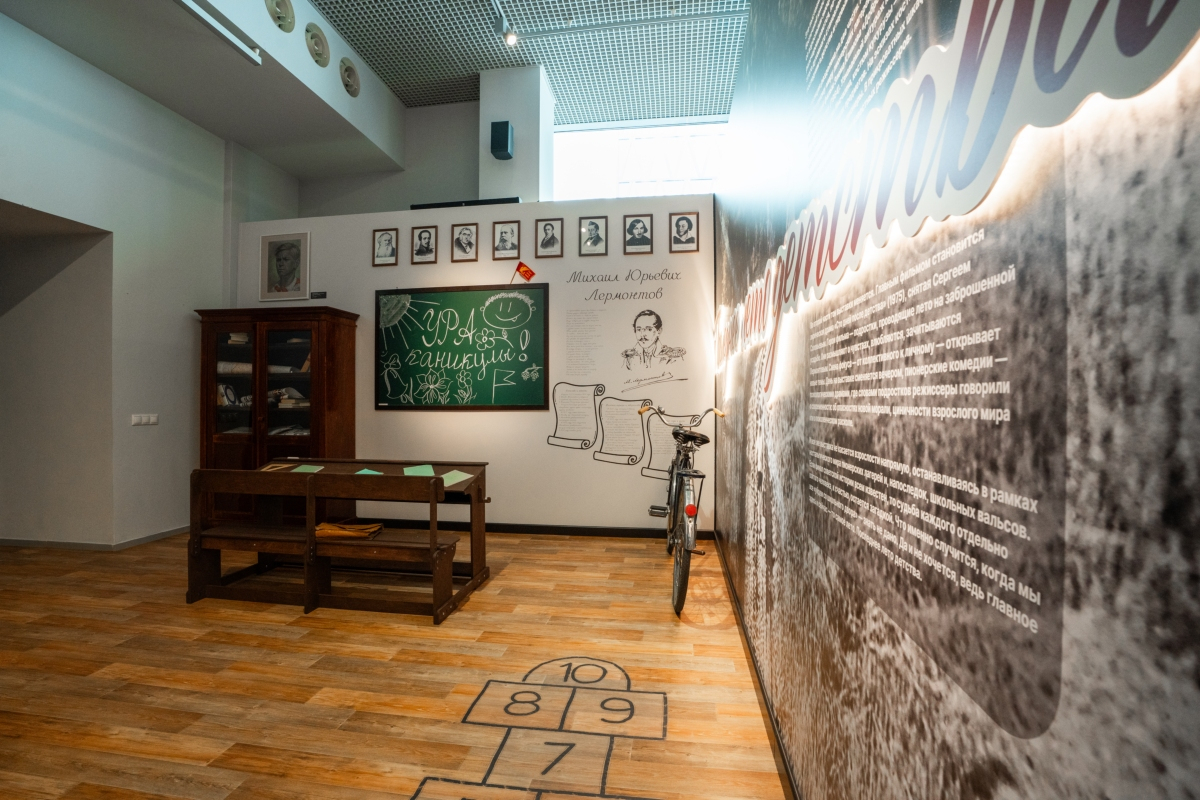
On 8 July 2025 the exhibition “The last summer of childhood” opened at the Museum of Cinema at VDNKh — about Soviet Pioneer camps and how the country’s cinema portrayed them. The halls recreate a camp: a dormitory, a canteen, a sick bay, an open-air stage. It is based on materials relating to the films “Welcome, or No Trespassing” by Elem Klimov, “One Hundred Days After Childhood” by Sergey Solovyev, “You Never Dreamed…” by Ilya Frez and others. The exhibition was supported by the Ministry of Culture of Russia and the Presidential Fund for Cultural Initiatives and ran until 31 December 2025.
The exhibition was built by a general contractor. We made its interactive exhibits — the scales in the canteen, the kite, the drum, the tent, the last bell and the “Story map” screen to which visitors send their own photographs — with software, screen graphics and video, plus a web admin panel for museum staff.
Year
2025
Industry
Museums
Scope of work
7 interactive installations in 5 zones, an admin panel
Venue
Museum of Cinema, Pavilion No. 36, VDNKh, Moscow
- 7
- interactive installations
- 5
- exhibition zones with our interactive exhibits
- 08.07.2025
- exhibition opening
The task
We were commissioned to create interactive exhibits and their content for five zones of the exhibition: “Canteen”, “Daytime programme”, “Beyond the camp”, “Farewell to childhood (school)” and “Colophon: our childhood”. The deadline was 4 July 2025, four days before the opening.
Larisa Bazhenova, director of the Museum of Cinema, called the exhibition “a bridge between adults and children”. Adults recognise their own camp in the halls, while children who never knew Pioneer camps needed a chance to do what the film characters did: get weighed in the sick bay, fly a kite, beat a Pioneer drum.
What we did
Scales
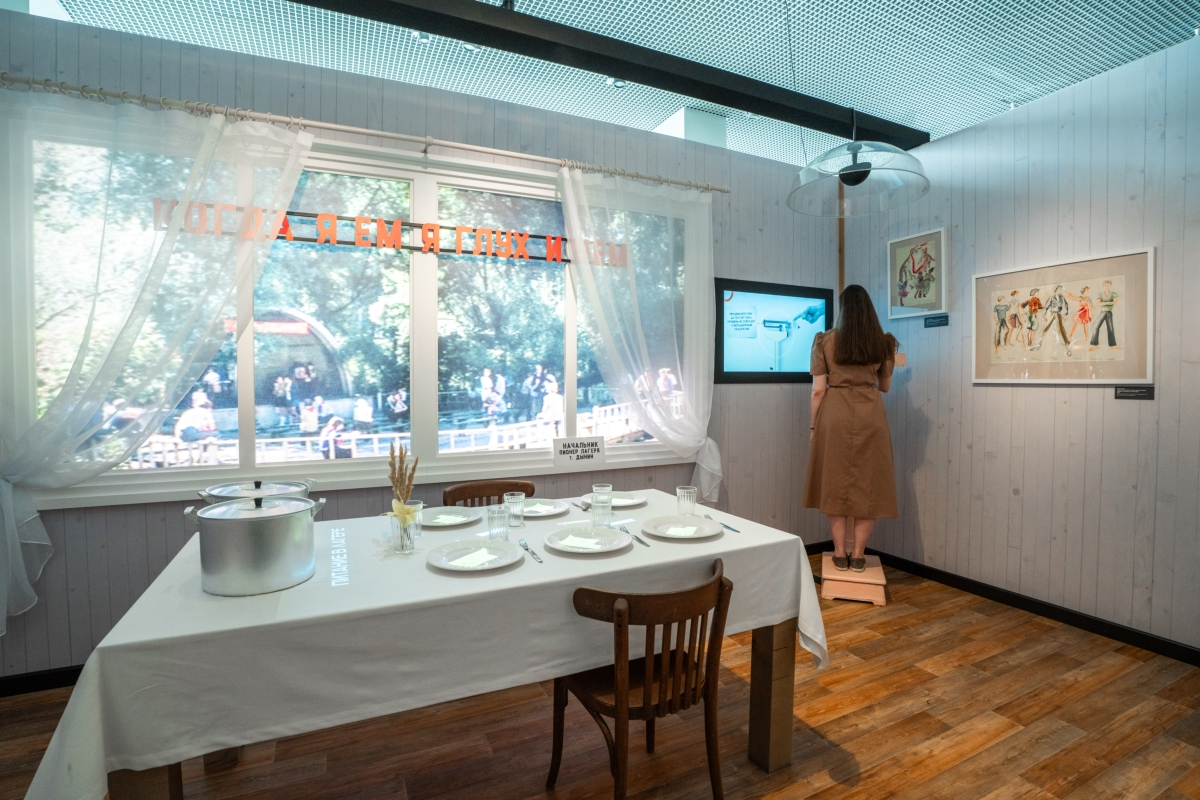
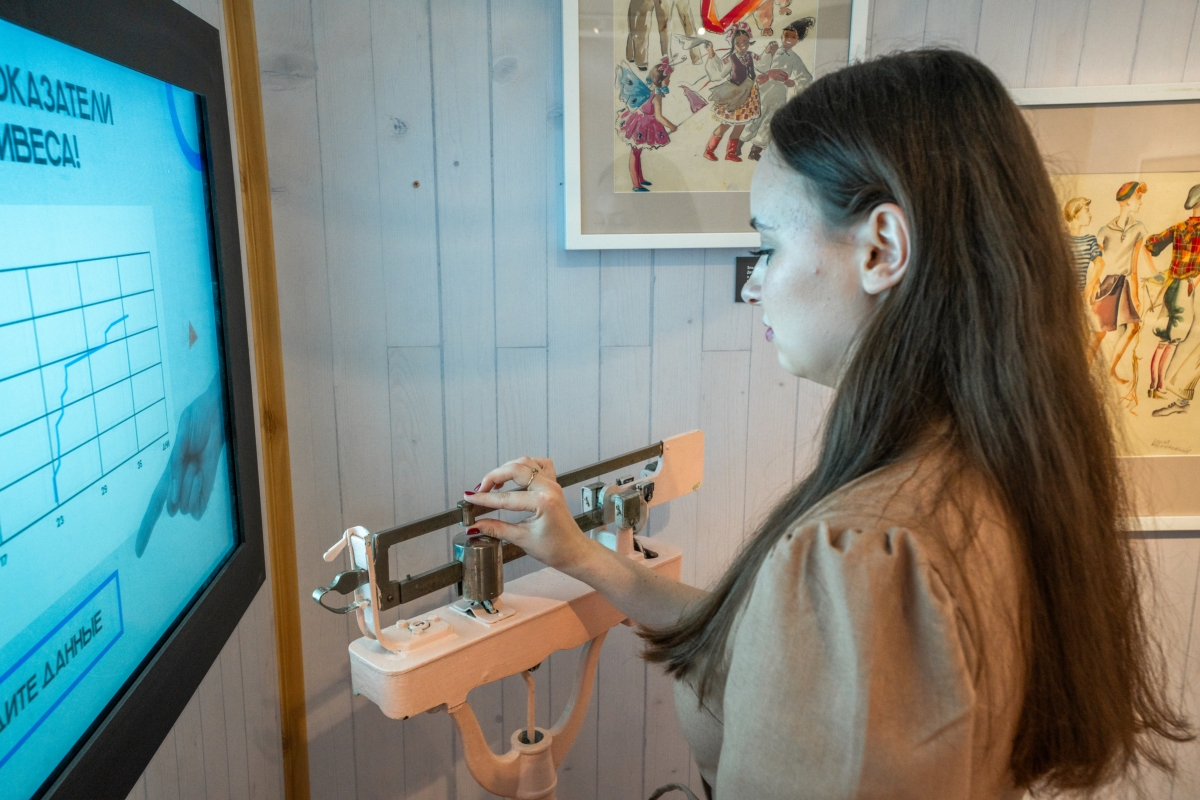
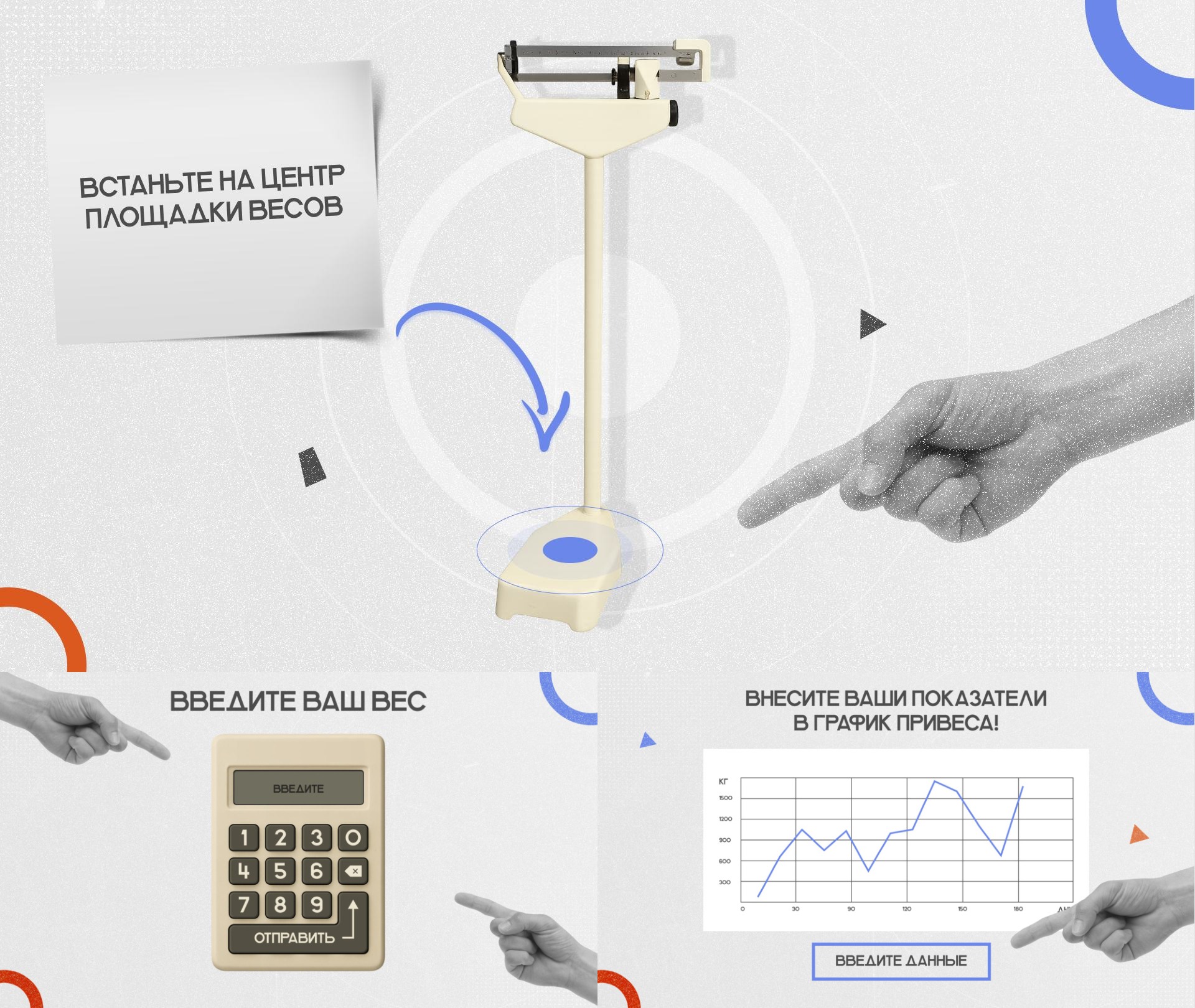
The “Canteen” zone. Next to real medical scales is a touch screen. It asks the visitor to stand in the centre of the scale platform; the visitor enters their weight on an on-screen keyboard, and the figure is added to the shared “Visitors’ weight-gain chart”. We did the design and software for the screen, as well as the 2D animation.
Kite
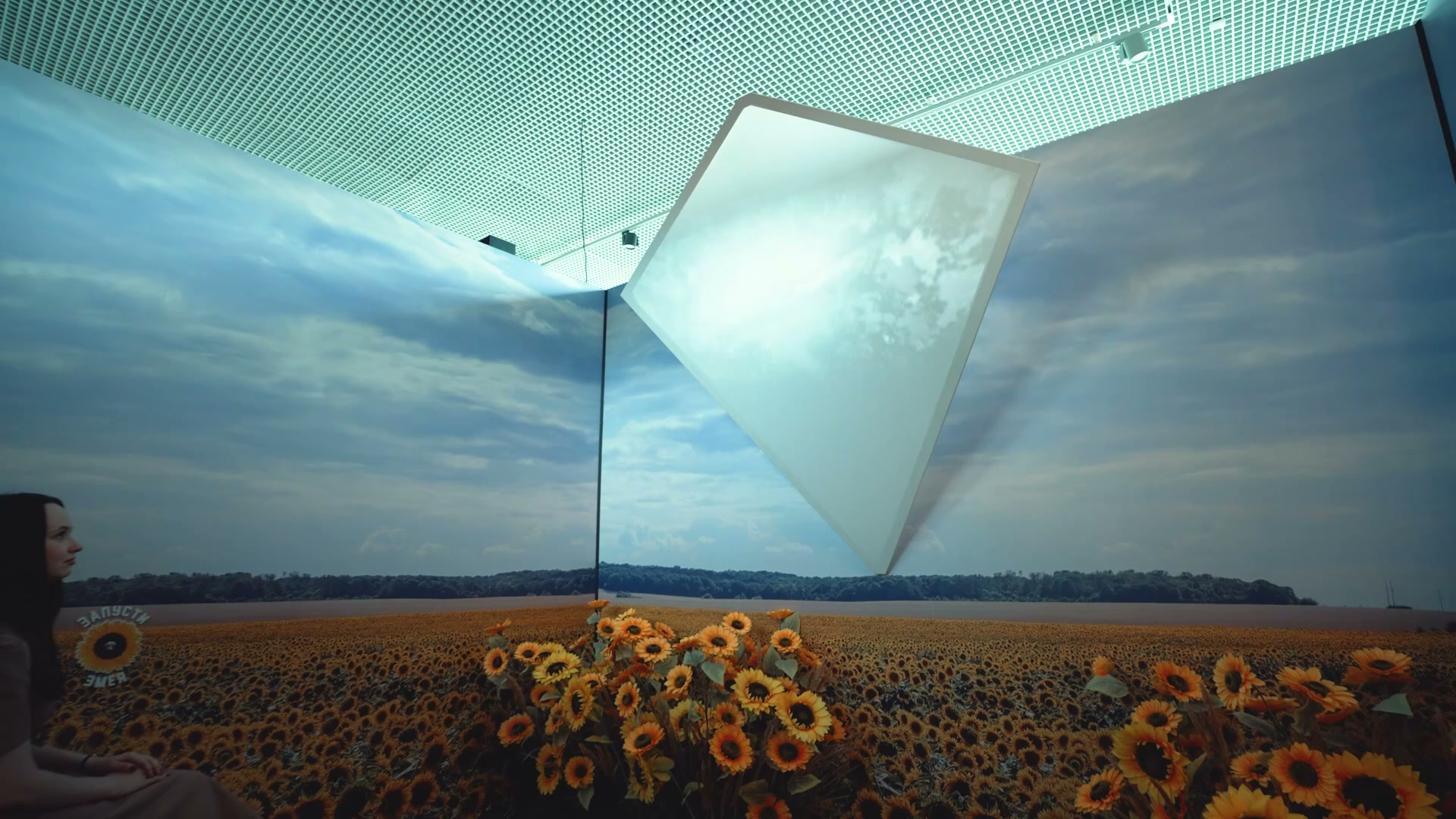
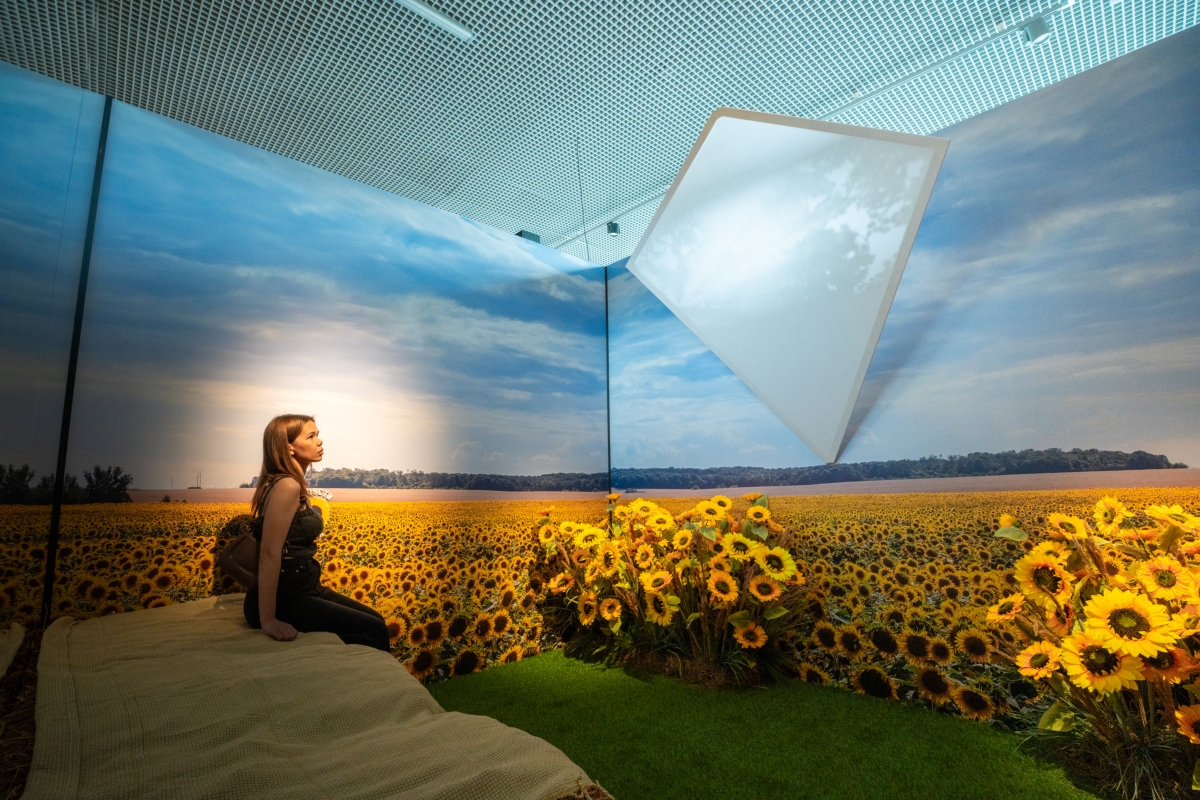
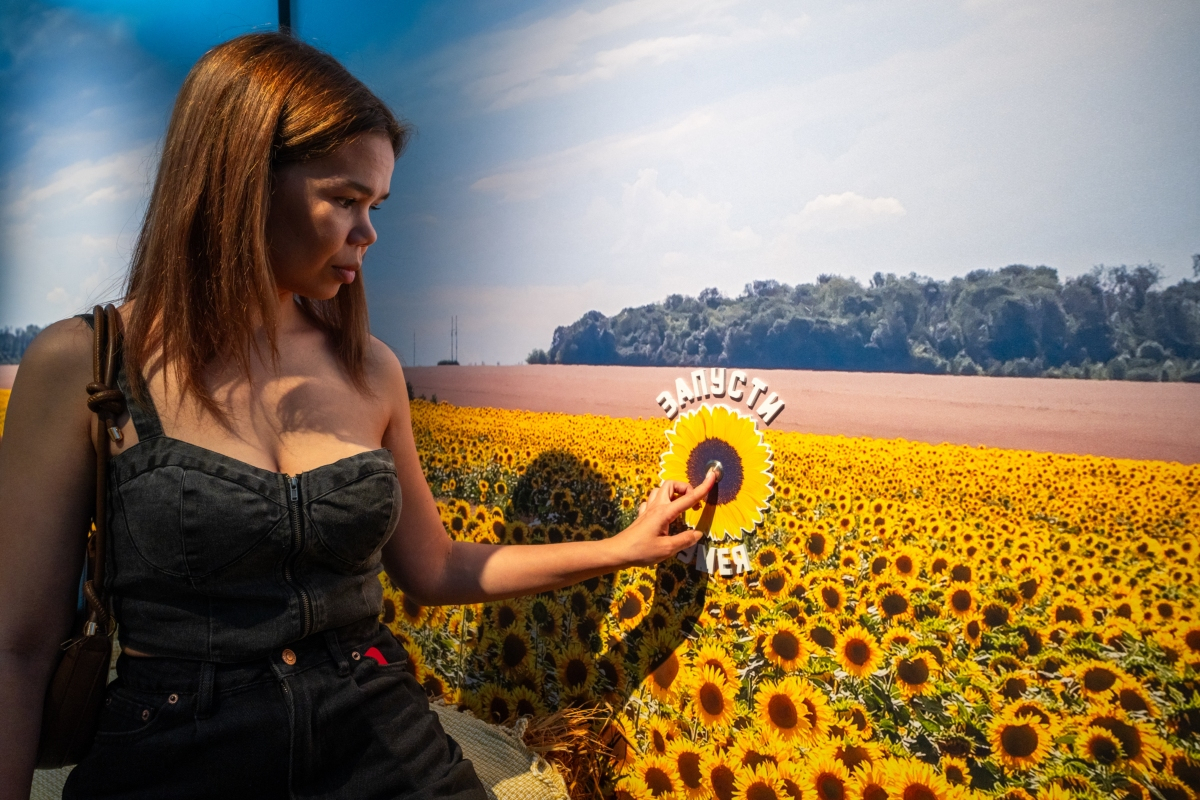
The “Daytime programme” zone. Above a field of sunflowers hangs a “kite” — a rhombus onto which video is projected. The visitor presses the “Fly the kite” sunflower, and instead of the sky the rhombus shows the kite-flying scene from the film “One Hundred Days After Childhood”.
Drum and loudspeaker
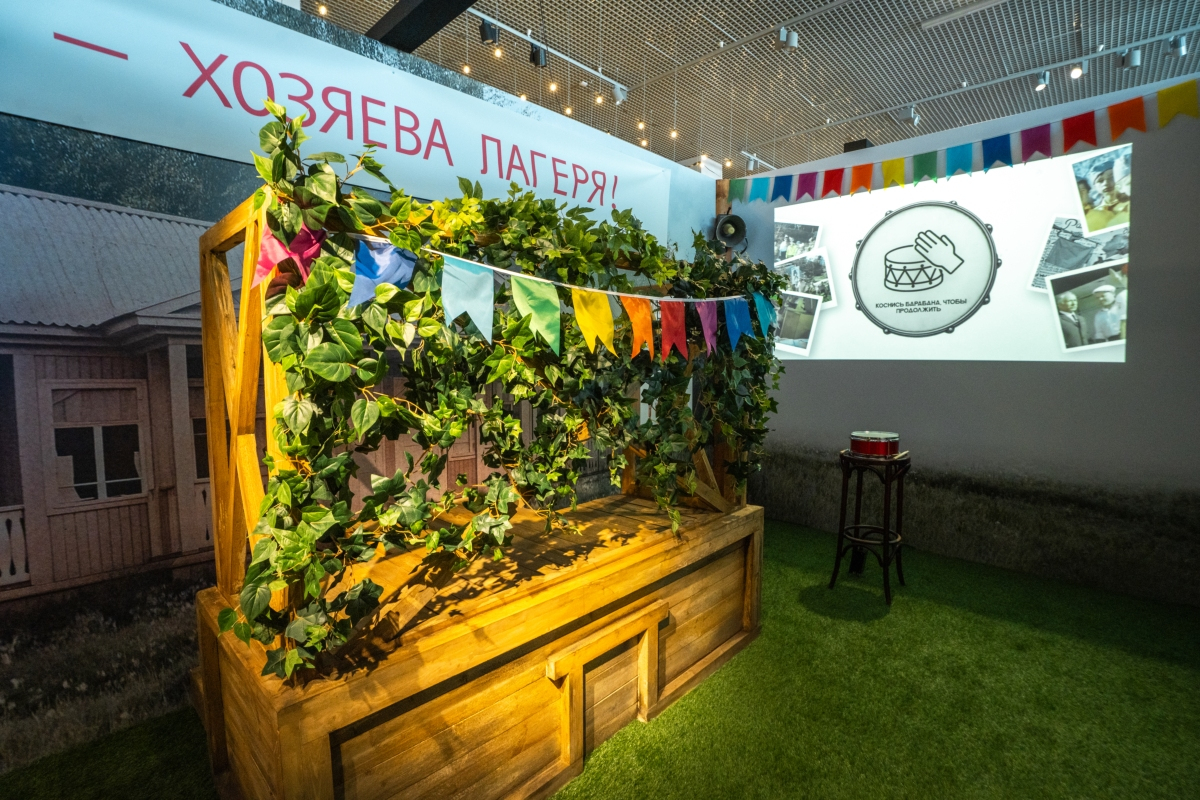
The “Daytime programme” zone. By the stage “Children are the masters of the camp!”, the projection reads “Touch the drum to learn about the Pioneers”. Each beat of the drum starts the next fragment of a video about how Pioneers were shown in films: from “Top Marks for the Summer” and “Welcome…” to “One Hundred Days After Childhood”, with captions such as “First a Pioneer, then a Komsomol member, and always an honest, decent citizen”. Above the screen is a loudspeaker, for which we created the sound design.

Tent
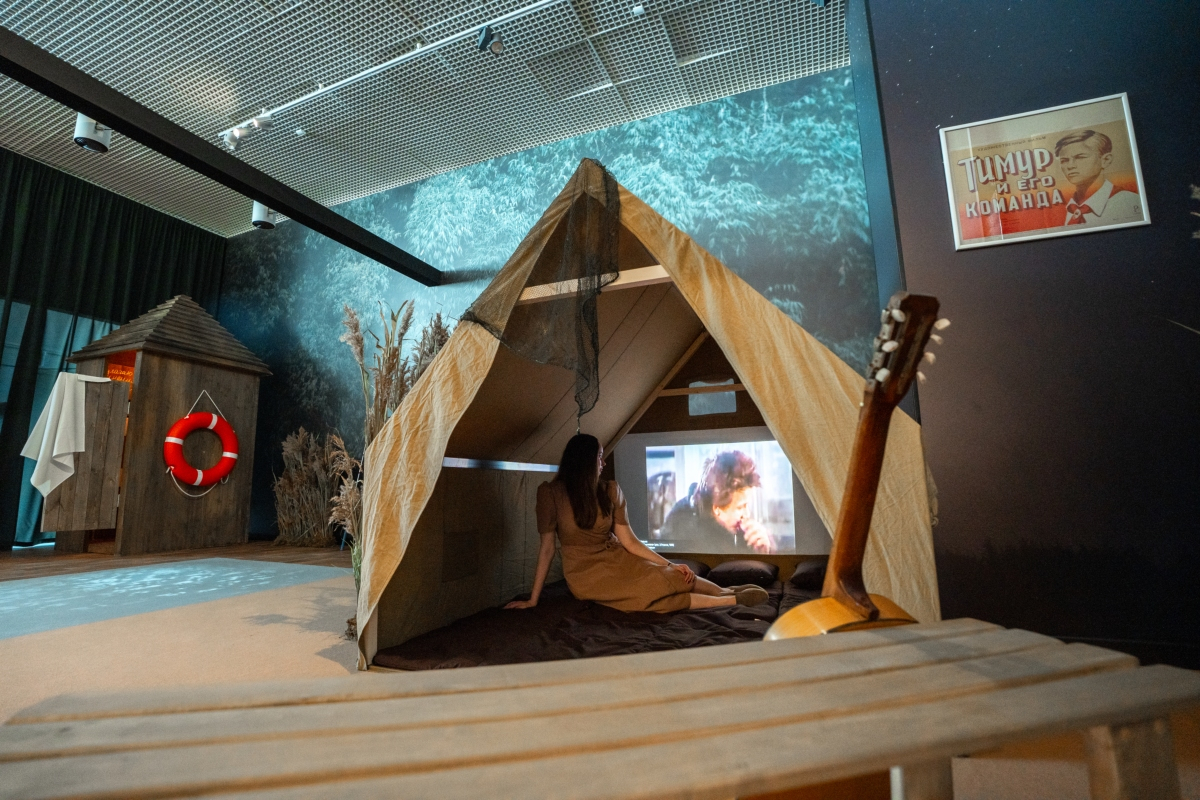
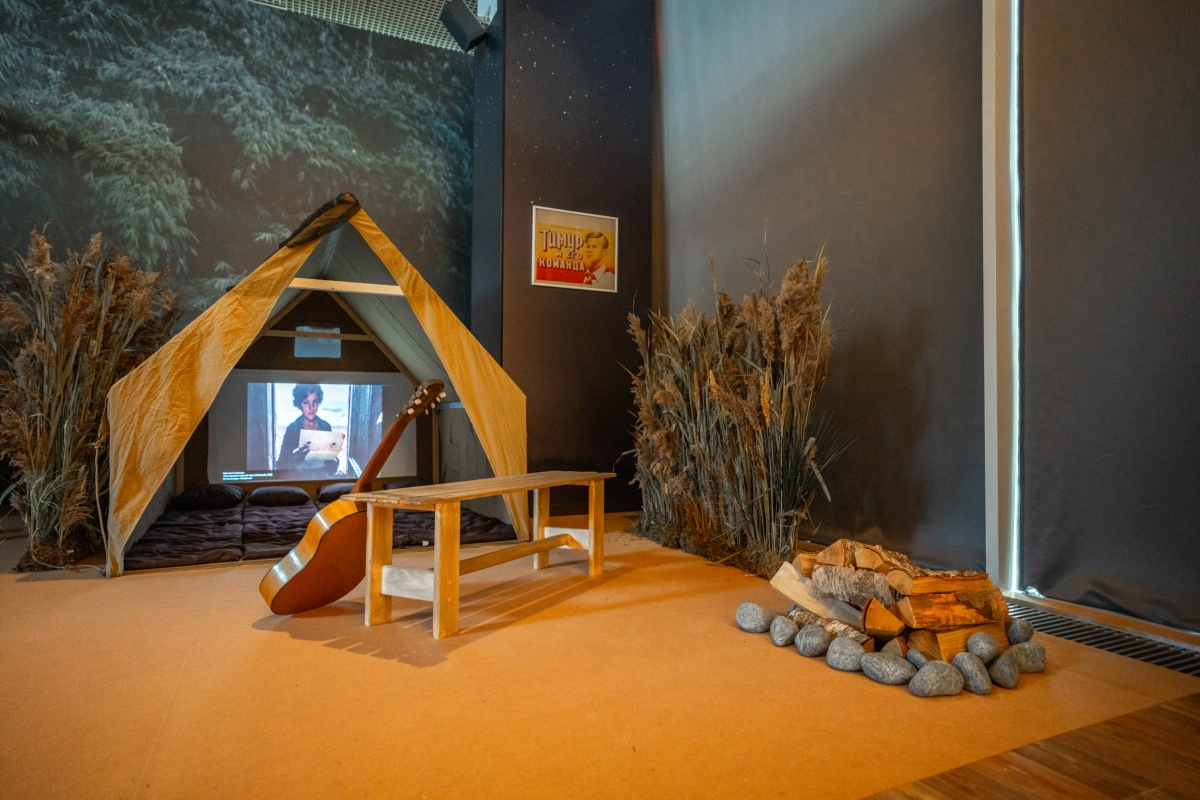
The “Beyond the camp” zone. Inside a canvas tent is a screen. A sensor starts a selection of clips from films about teenagers: “The Woodpecker Doesn’t Get Headaches”, “Blame Klava K. for My Death”, “One Hundred Days After Childhood”, “Dear Yelena Sergeyevna”.
Last bell
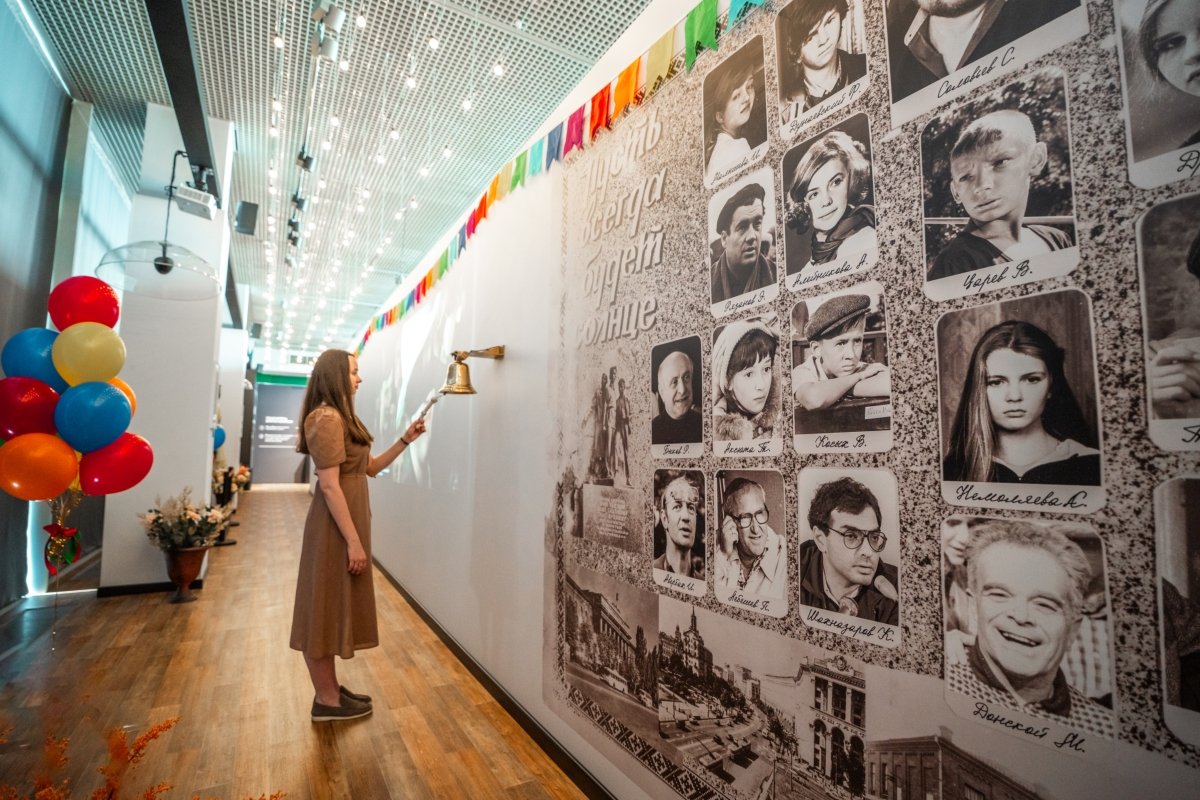
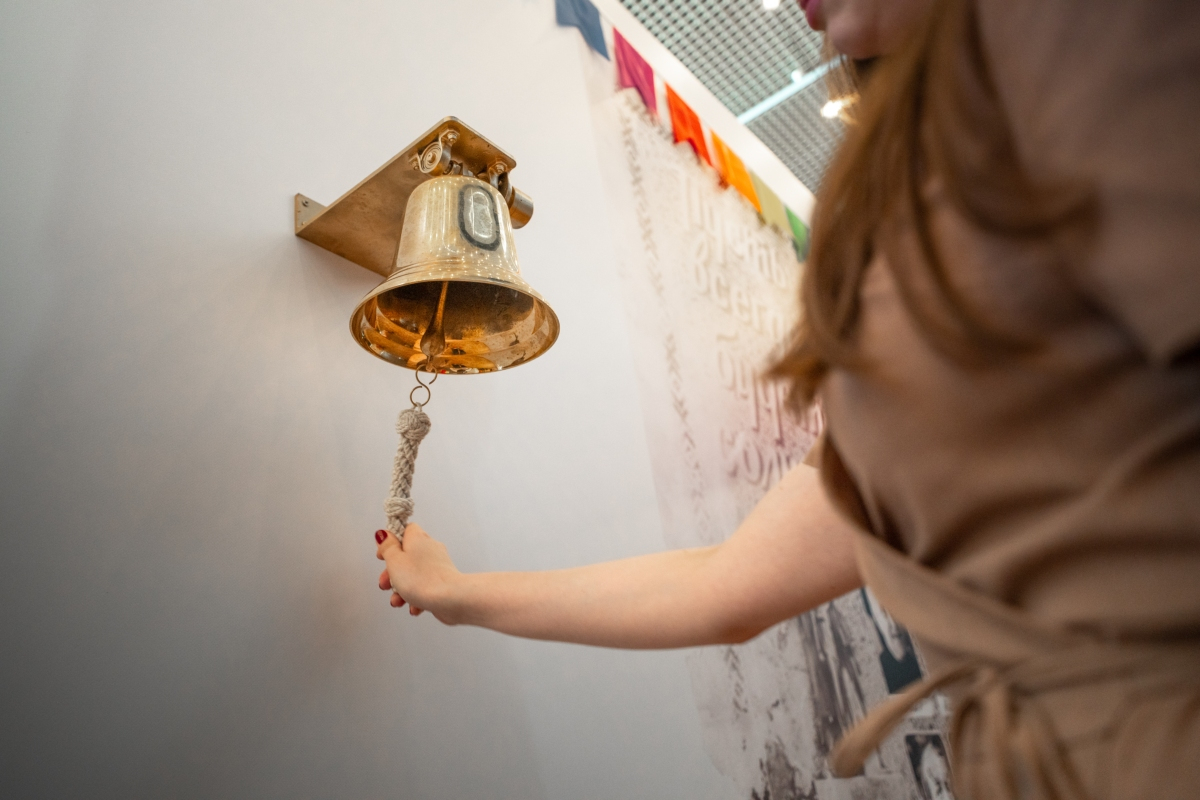
The “Farewell to childhood (school)” zone. A bell hangs in a corridor lined with portraits of actors. When a visitor rings it, clips from films about the end of school play on the wall: “The Woodpecker Doesn’t Get Headaches”, “Scarecrow”, “Courier”, “One Hundred Days After Childhood”. Five 20-second clips are started and switched by a sensor.
Radio
The “Farewell to childhood (school)” zone. In the school classroom visitors can listen to songs and poems from films; the volume is adjusted with a wheel.
Story map
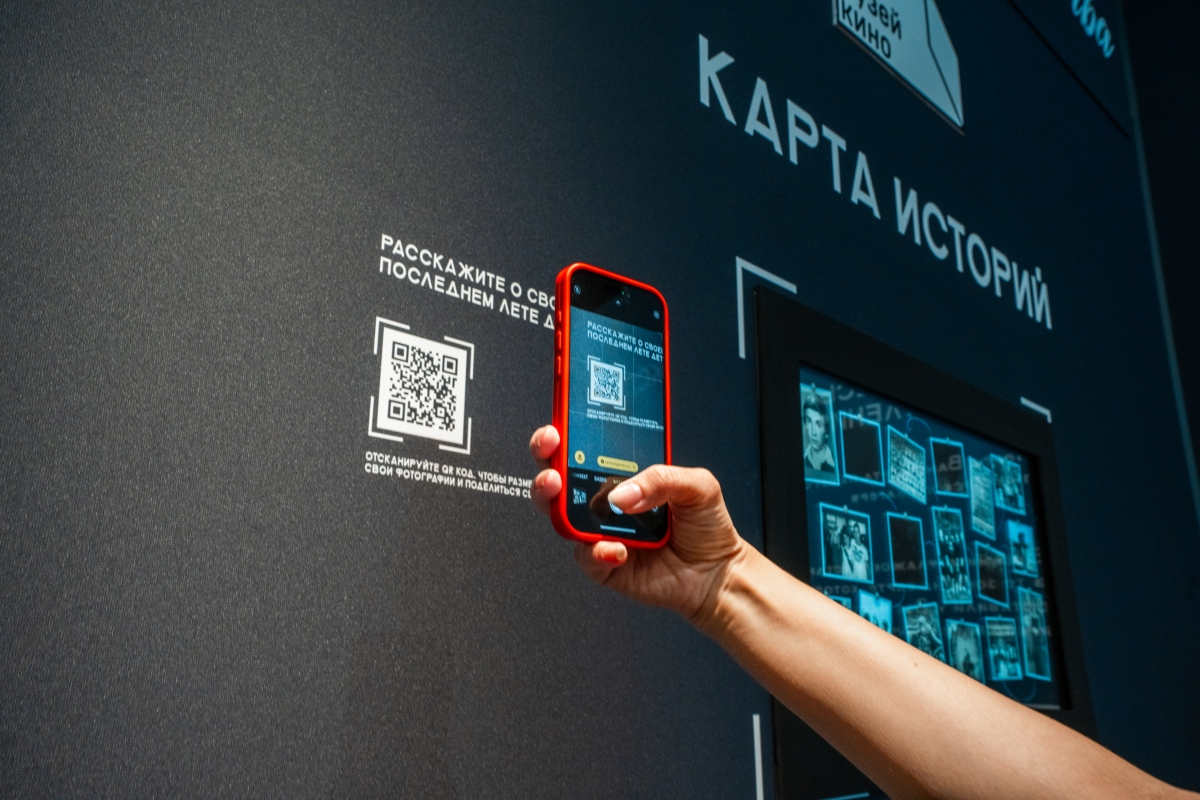
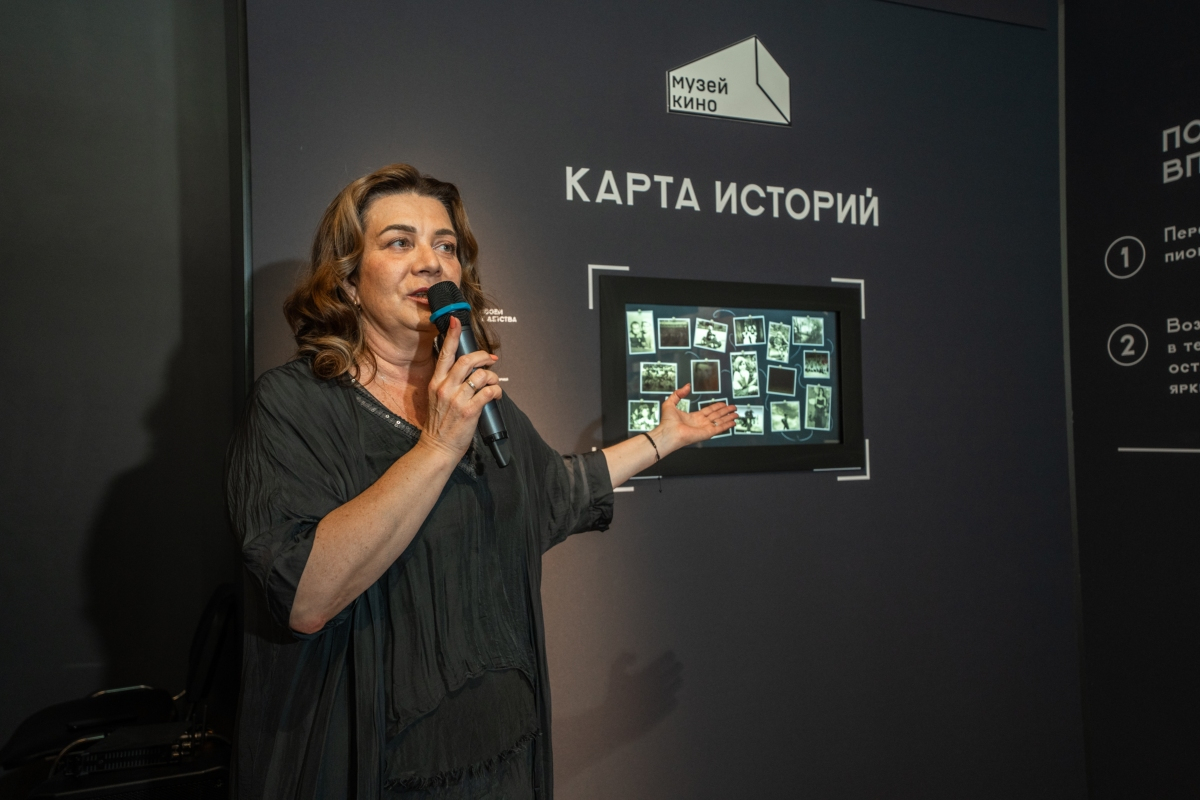
The “Colophon: our childhood” zone. A screen at the end of the exhibition with an archive of photographs of summer and school life. Next to it is a QR code: the visitor scans it with a phone, uploads photographs of their own last summer of childhood, and they appear on the screen.
Admin panel
A web panel with two sections: “Scales”, with visitors’ weight entries for the chart, and “Colophon”, with photographs for the “Story map”. Museum staff see what has been submitted and can remove anything unsuitable.
How it is built
The videos are started by the visitors themselves: a beat of the drum, the sunflower button by the kite, the bell, a sensor in the tent, a touch on the screen by the scales.
The kite is a flat rhombus under the ceiling; the video is projected precisely onto its shape, and in standby it shows the sky.
The drum video is split into short fragments: after each one the screen waits for the next beat — “Touch the drum to continue”.
Visitors’ photographs and weight entries are stored on a server and managed through the admin panel.
Result
The work was handed over on 4 July 2025. The exhibition opened on 8 July 2025 and ran until 31 December 2025. It covered 600 m².