Exhibitions · 2023
Ministry of Energy “Energy of Life” pavilion: VR zone and tests
Exhibitions / Ministry of Energy “Energy of Life” pavilion: VR zone and tests
About the project
An application for a four-seat VR zone and an application with two tests for the Ministry of Energy’s “Energy of Life” pavilion at the “Russia” Expo at VDNKh.
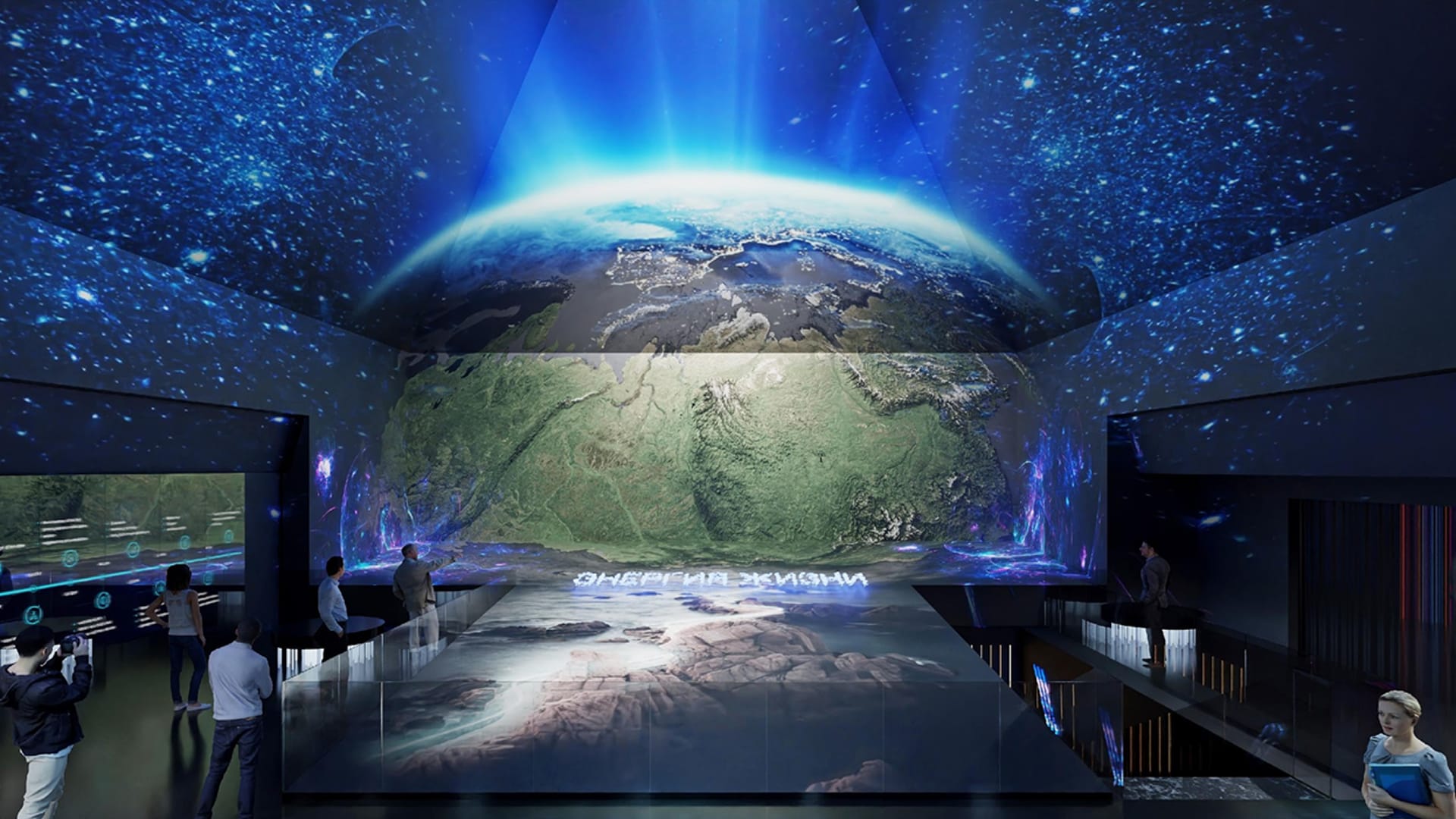
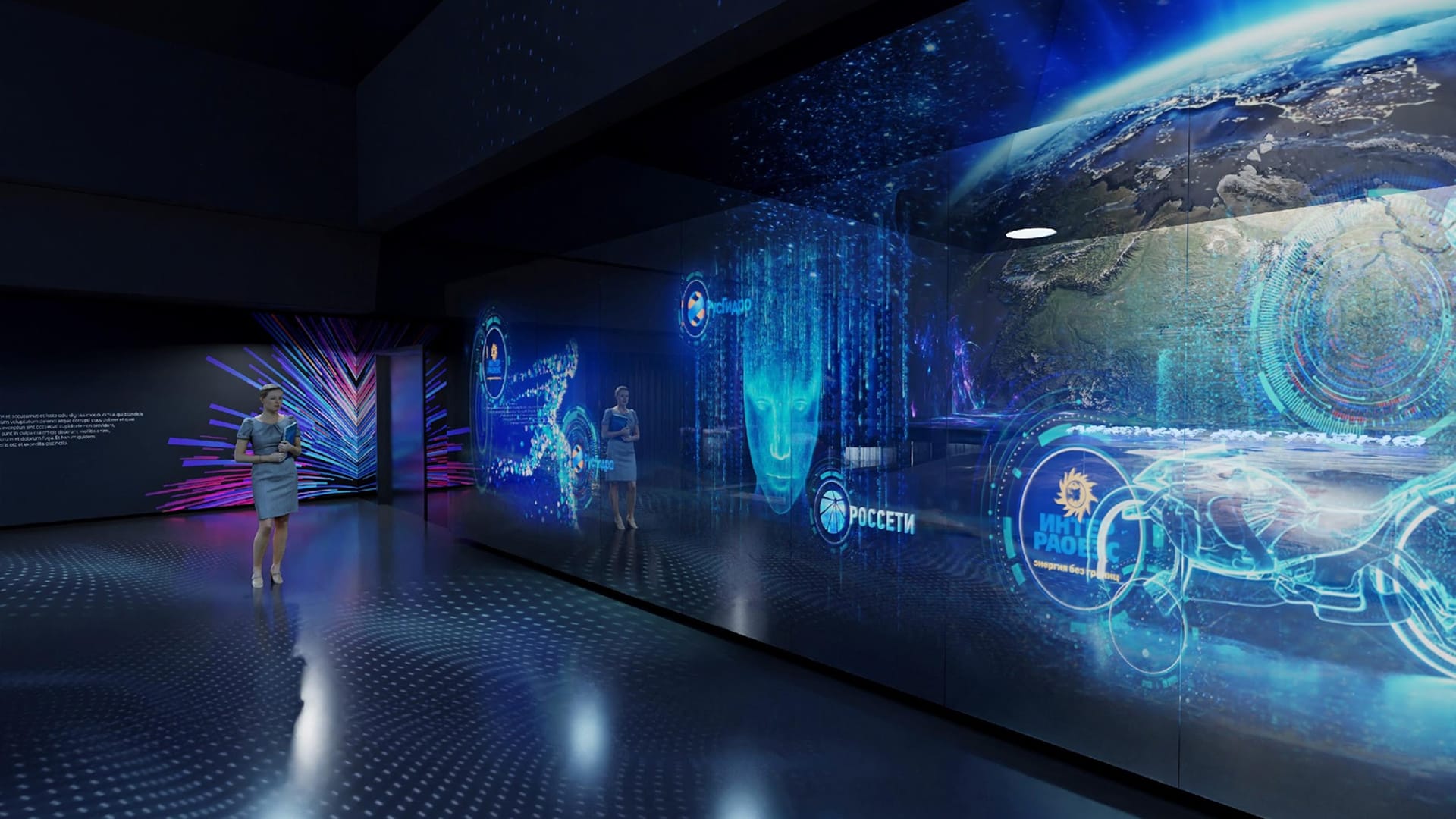
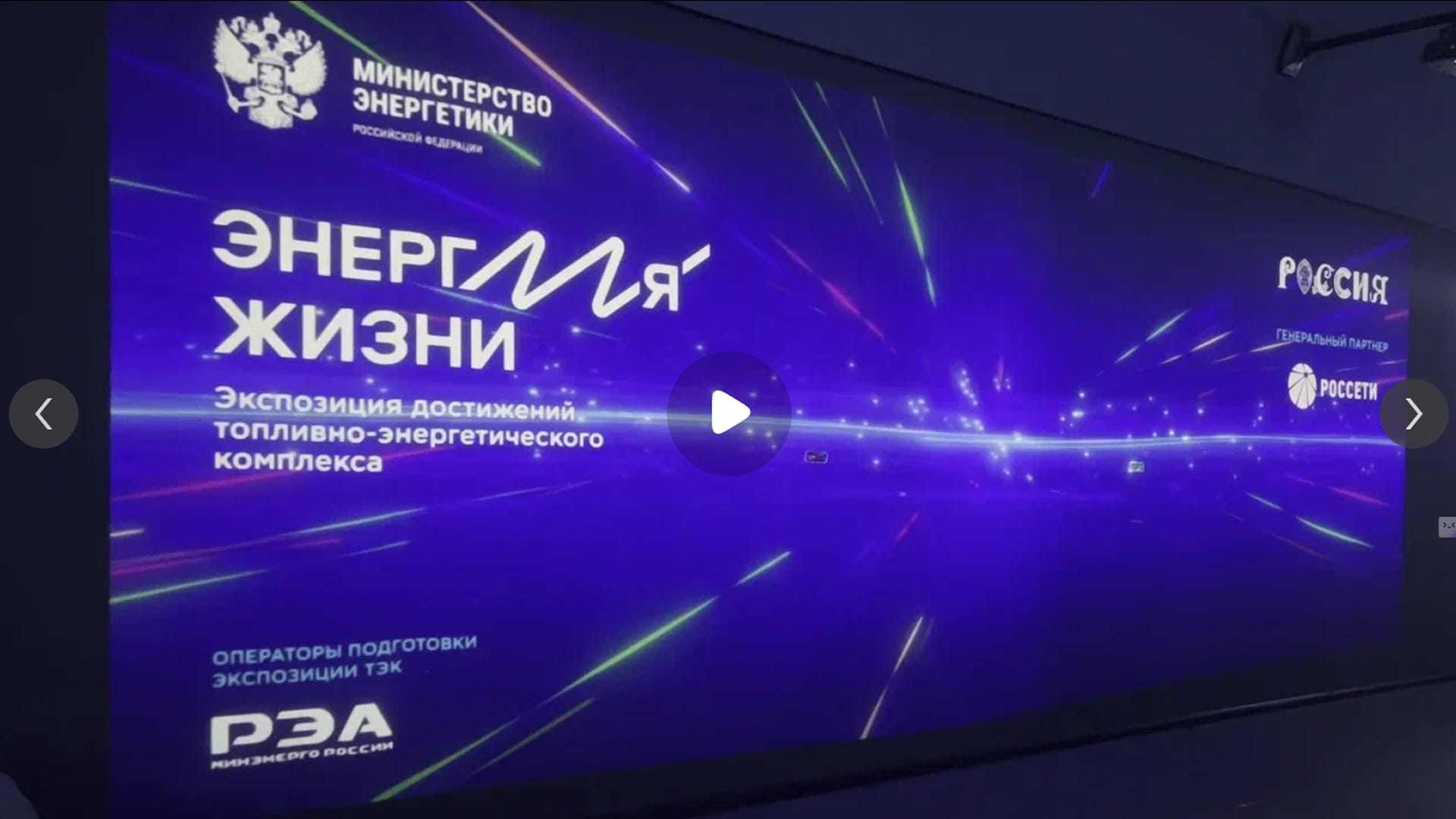
The “Russia” International Exhibition and Forum opened at VDNKh on 4 November 2023. The Ministry of Energy presented its “Energy of Life” exhibition there in Pavilion No. 46 — on the past, present and future of the fuel and energy sector. The exhibition was operated by the Russian Energy Agency of the Ministry of Energy of Russia. It ran until 8 July 2024.
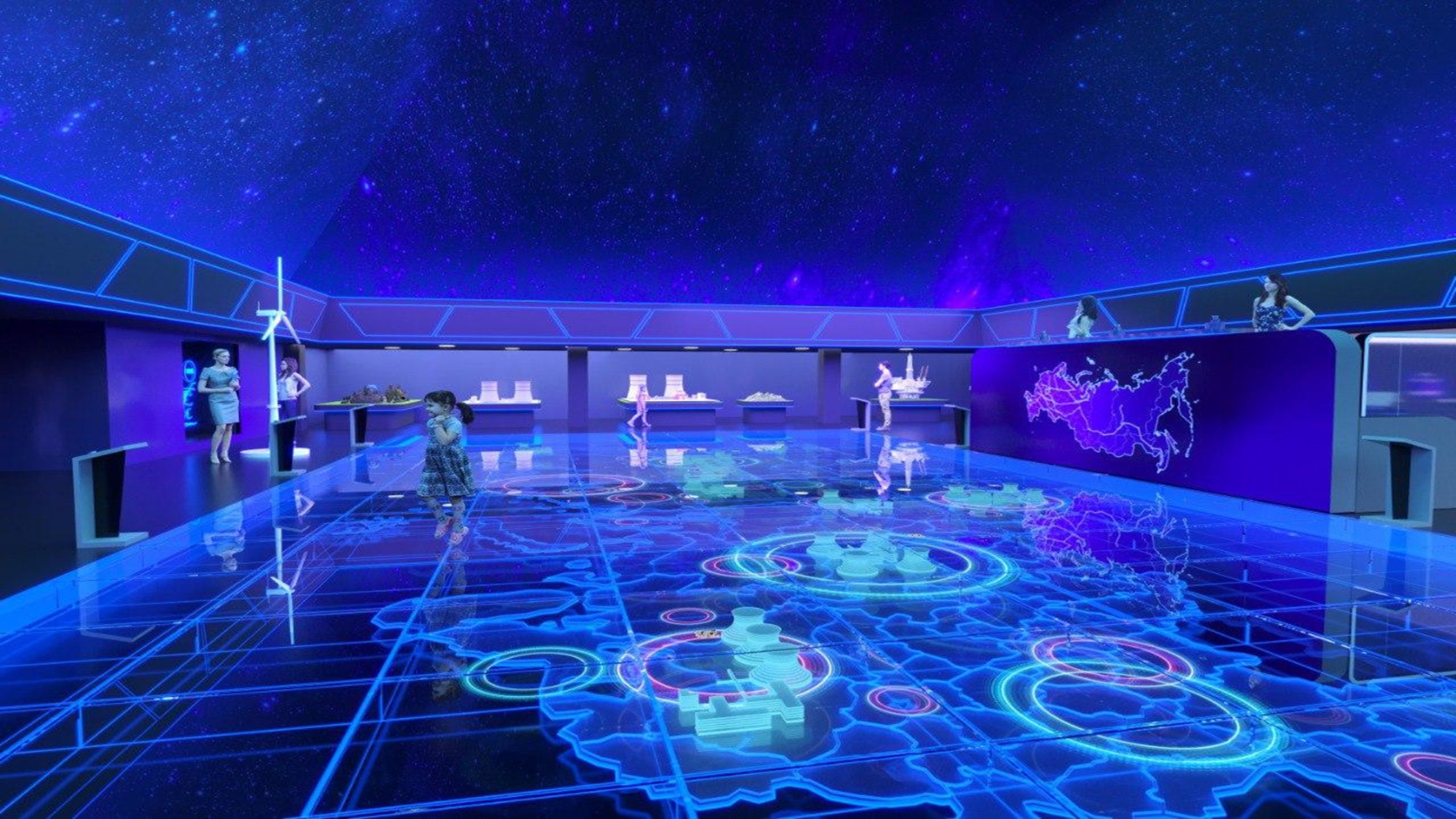
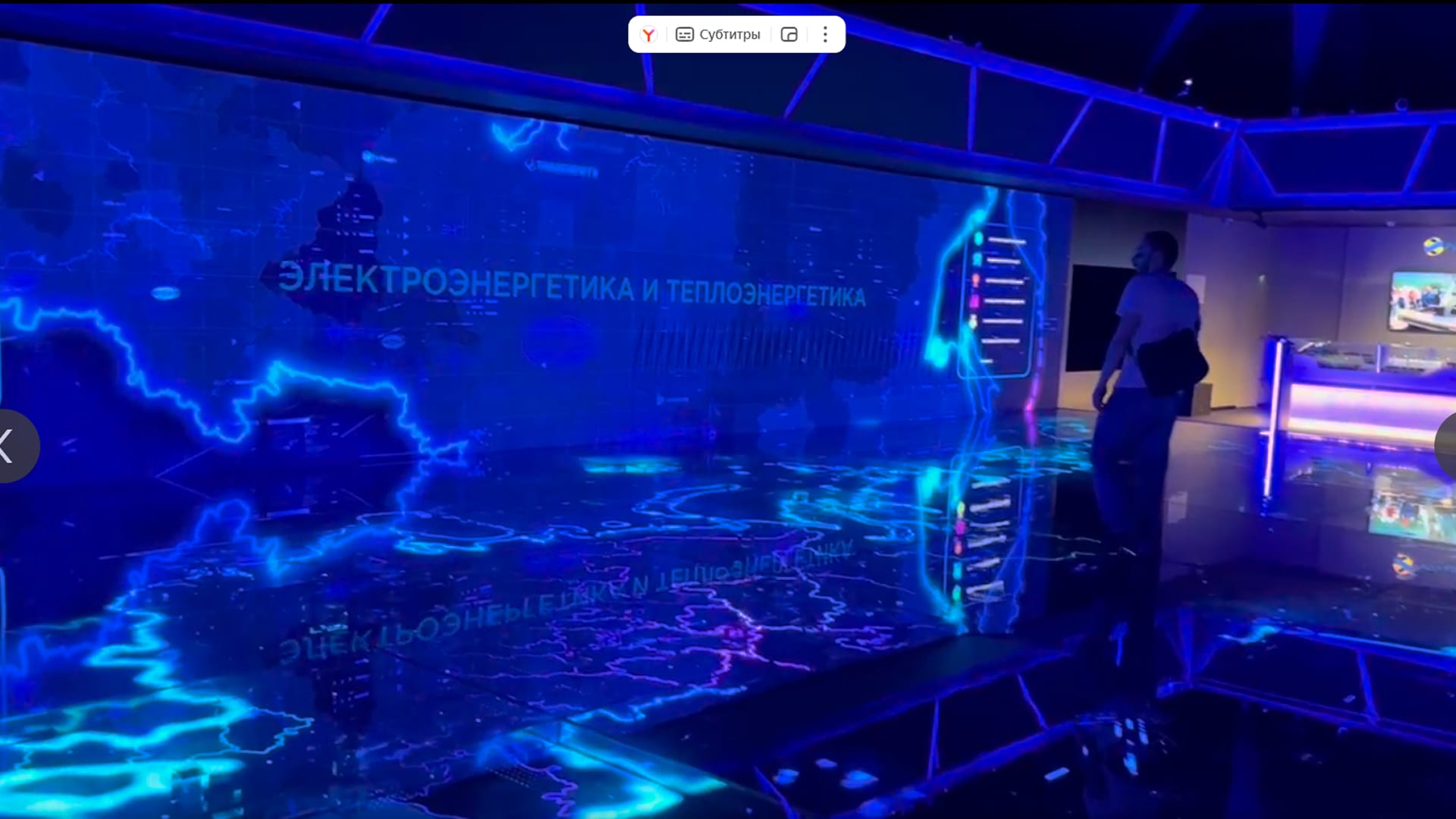
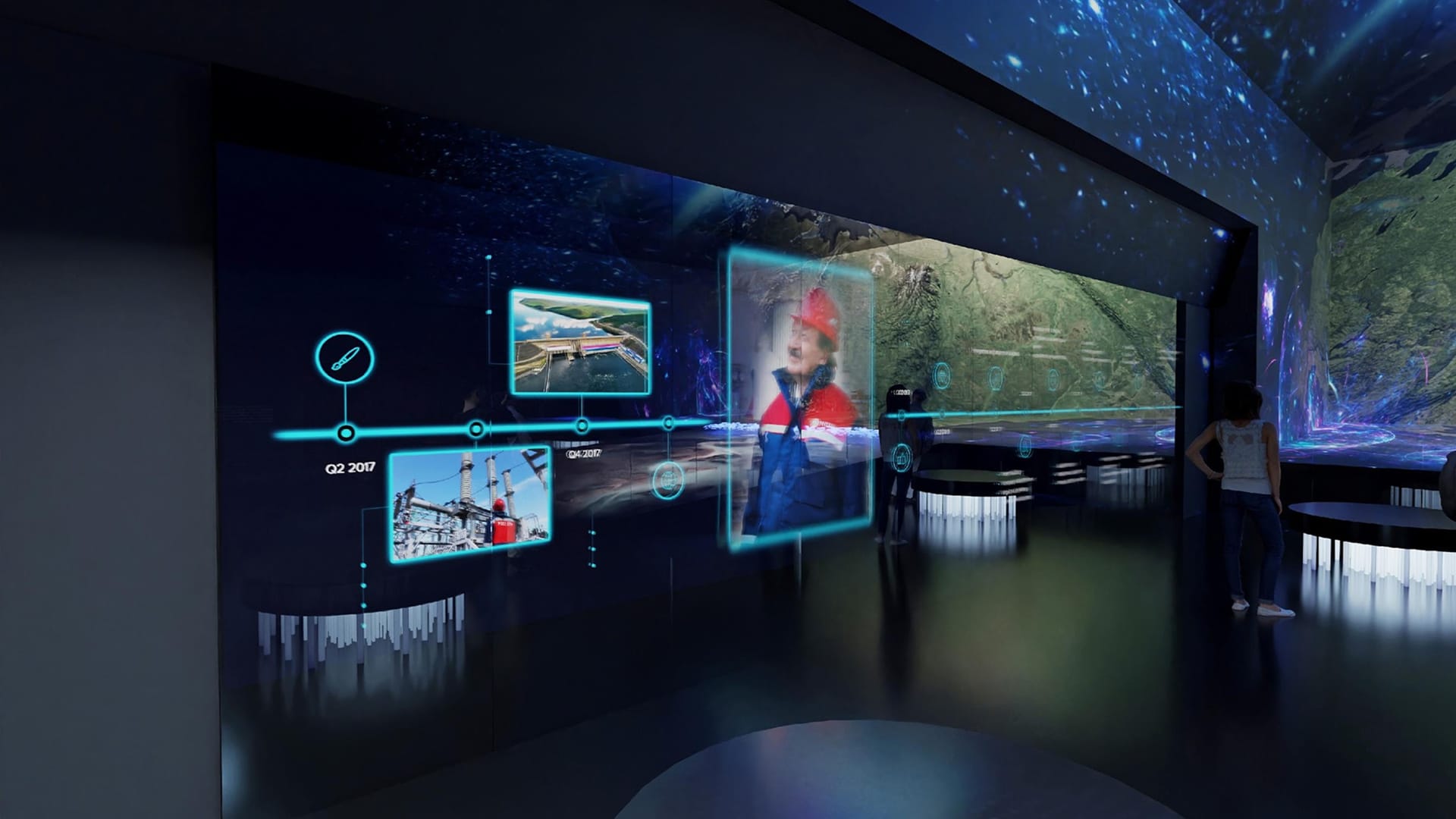
On the second floor of the pavilion, in the “Energy Superpower” hall with its large interactive map of the fuel and energy sector, there was a VR zone: a visitor sits in a chair, puts on a VR headset and watches videos about the industry’s facilities. We made the software for this zone — a menu for choosing a video, and playback of the videos in the headset.
In December 2023 we made another application for the pavilion — with two tests, one on careers and one on knowledge of the exhibition — and an admin panel in which questions, texts and images can be changed without developers.
Year
2023
Industry
Exhibitions
Scope of work
An application for a 4-seat VR zone, 2 interactive tests with an admin panel
Venue
Pavilion No. 46 “Energy of Life”, “Russia” Expo, VDNKh, Moscow
- 4
- seats in the VR zone
- 5+
- playback scenarios in VR headsets
- 2
- tests for the pavilion screens
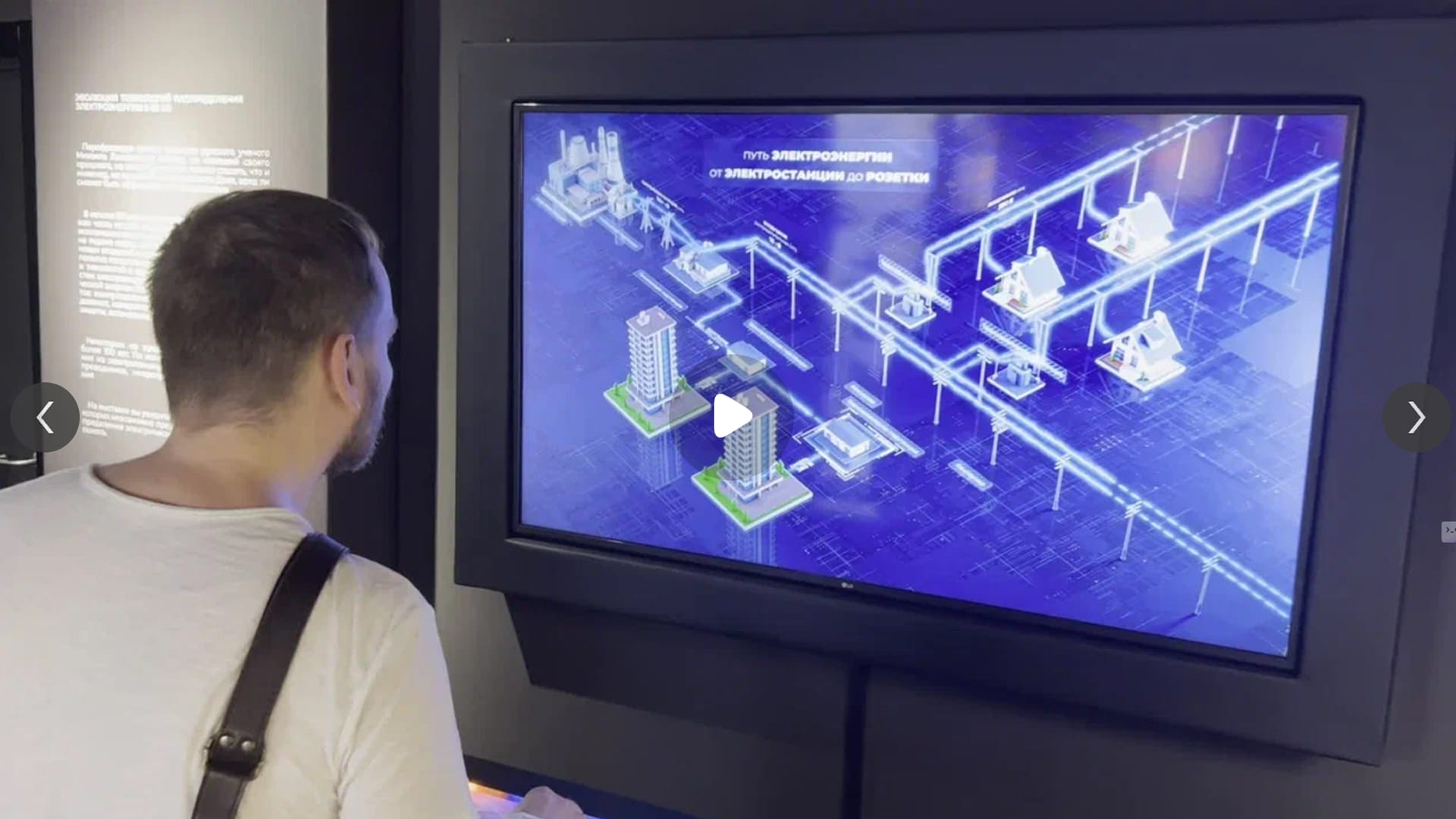
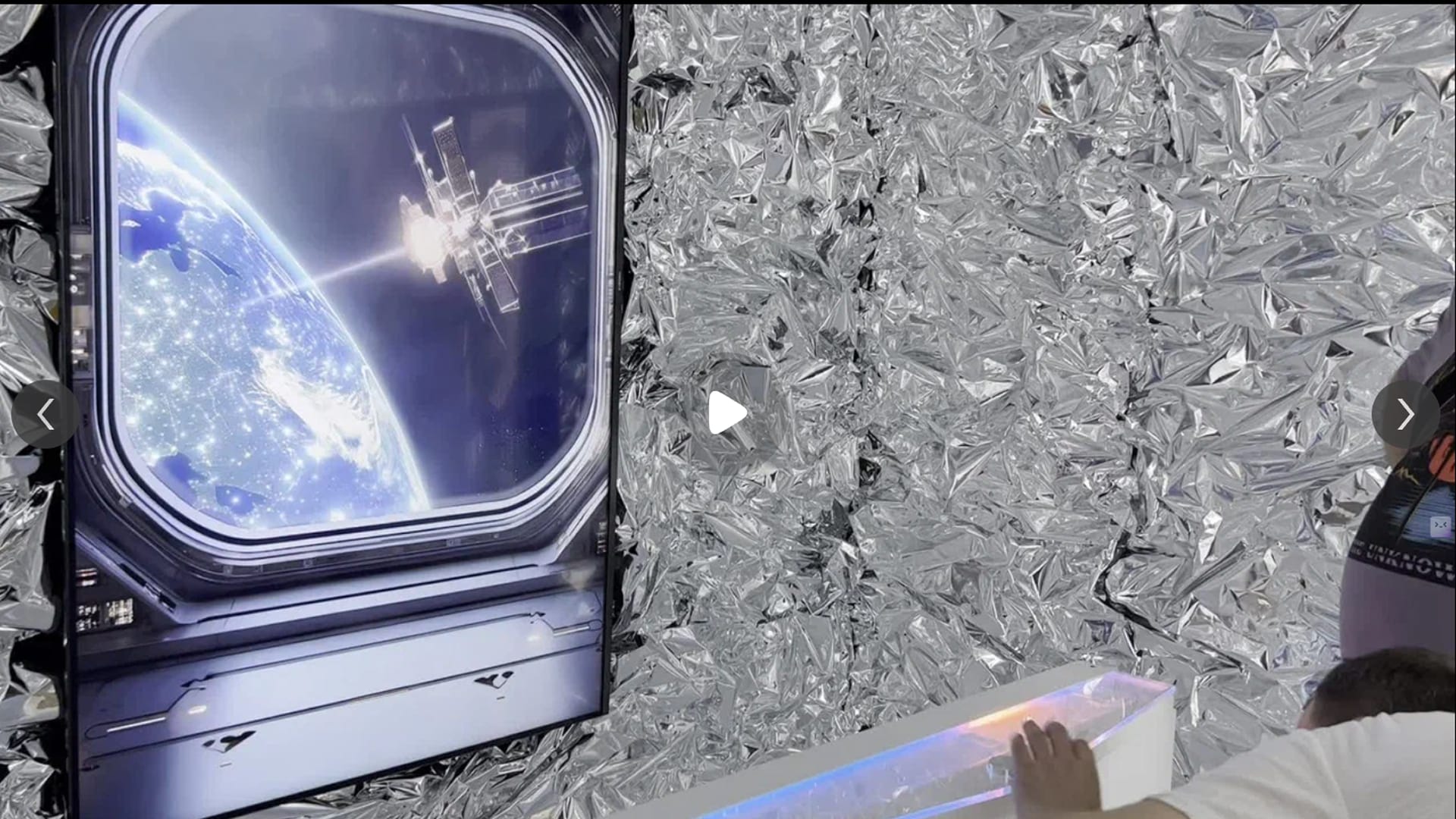
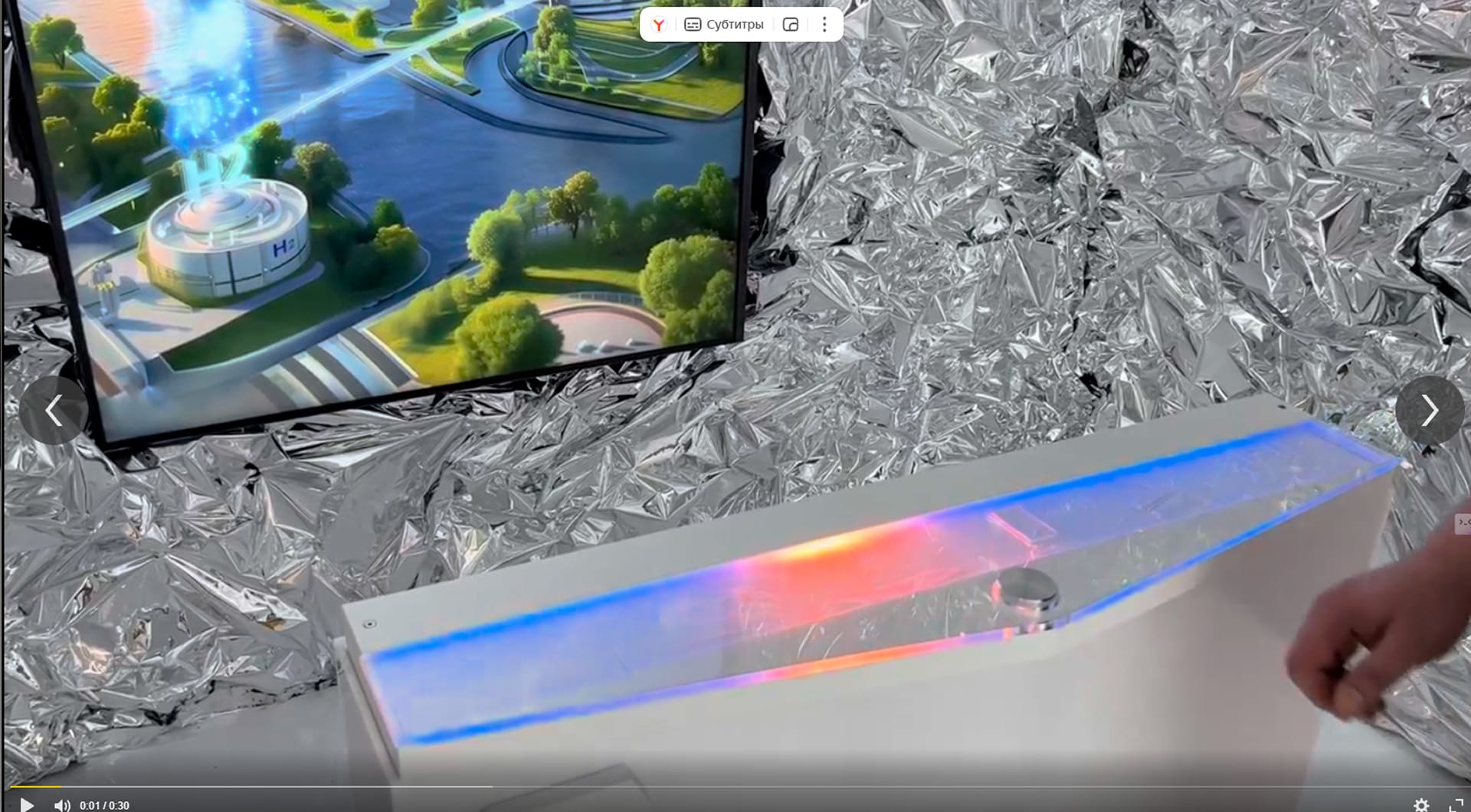
The task
The client supplied videos about energy, and these had to be shown in virtual reality: prepared for VR headsets, with an environment containing a selection menu and at least five playback scenarios.
The zone was for four people at once, each in their own chair, and the application had to allow new videos to be added.
The pavilion screens also needed two tests: a careers test, for those choosing a profession in energy, and a quiz on the content of the exhibition. Pavilion staff had to be able to change the texts, images and number of questions themselves. The deadline for the tests was less than a week, from 15 to 20 December 2023.
What we did
VR zone application
Wearing the headset, the visitor finds themselves in a virtual environment with a menu and chooses what to watch; the chosen video plays in VR format. There are at least five playback scenarios, and new videos can be added later. The zone is designed for four visitors at once — one in each chair, each with their own headset. The videos are the client’s; we adapted them for viewing in headsets.
Test application
Both tests are sections of a single application. While the screen is free, it shows a menu for choosing a section; after 90 seconds without visitor activity, the application returns to the menu by itself.
Careers test
The visitor chooses one of the two blocks of the test, reads the instructions and answers the questions. Up to two answers can be ticked in each question, and the option “none of the above” can only be ticked on its own. Each answer gives a point to one of the results, and the test shows the result with the most points. There are separate screens for a tie and for when “none of the above” has been chosen most often.
Exhibition knowledge test
Ten questions, each with one correct answer, and a results window at the end. The questions are drawn at random from a common pool, so pressing “Try again” builds the test afresh.
How it is built
The VR zone stood in the “Energy Superpower” hall, next to a ship model. Its application is a Windows program; the source files (code, virtual environment, project) were handed over to the client.
The tests are managed from the admin panel. For the careers test, it is used to change the texts, images and number of questions; for the exhibition test, to add to the question pool and choose one of two question templates. It is also where the menu texts and images are changed and new sections are added to the menu.
The test interfaces were built from the mock-ups that the client attached to the technical specification.
Result
The VR zone application was handed over on 21 November 2023, and both tests on 20 December 2023. The VR zone was in operation in the pavilion: according to a report by the company that installed the pavilion’s screens and projectors, anyone could put on a VR headset and see fuel and energy facilities from the inside.
Similar projects
-
 “Pictures at an Election” — Central Election Commission of Russia exhibition
/2023 — Exhibitions
“Pictures at an Election” — Central Election Commission of Russia exhibition
/2023 — Exhibitions
-
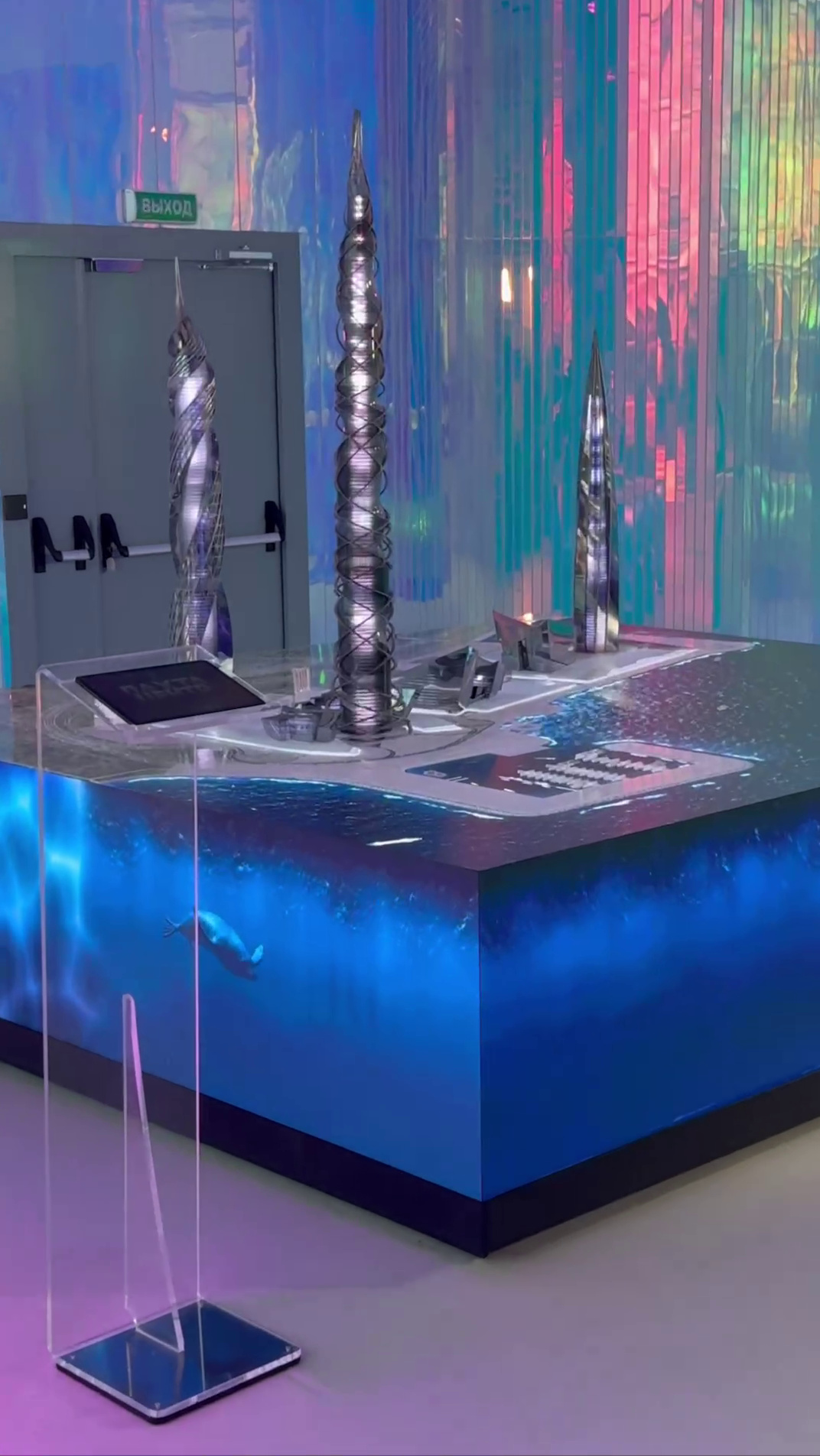 Lakhta Center at the “Russia” Expo
/2023 — Exhibitions
Lakhta Center at the “Russia” Expo
/2023 — Exhibitions
-
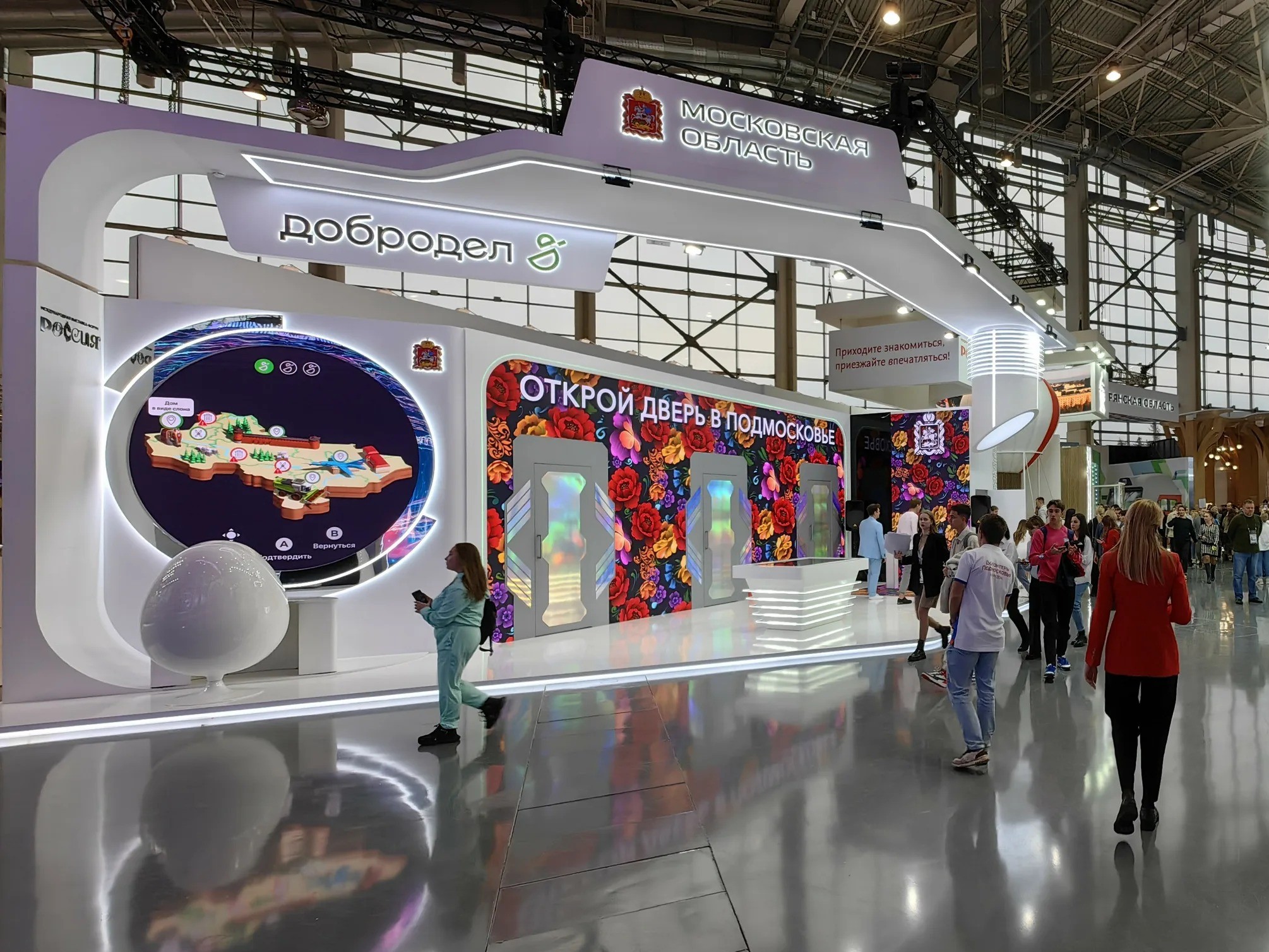 Moscow Region stand at the “Russia” Expo
/2023 — Exhibitions
Moscow Region stand at the “Russia” Expo
/2023 — Exhibitions
-
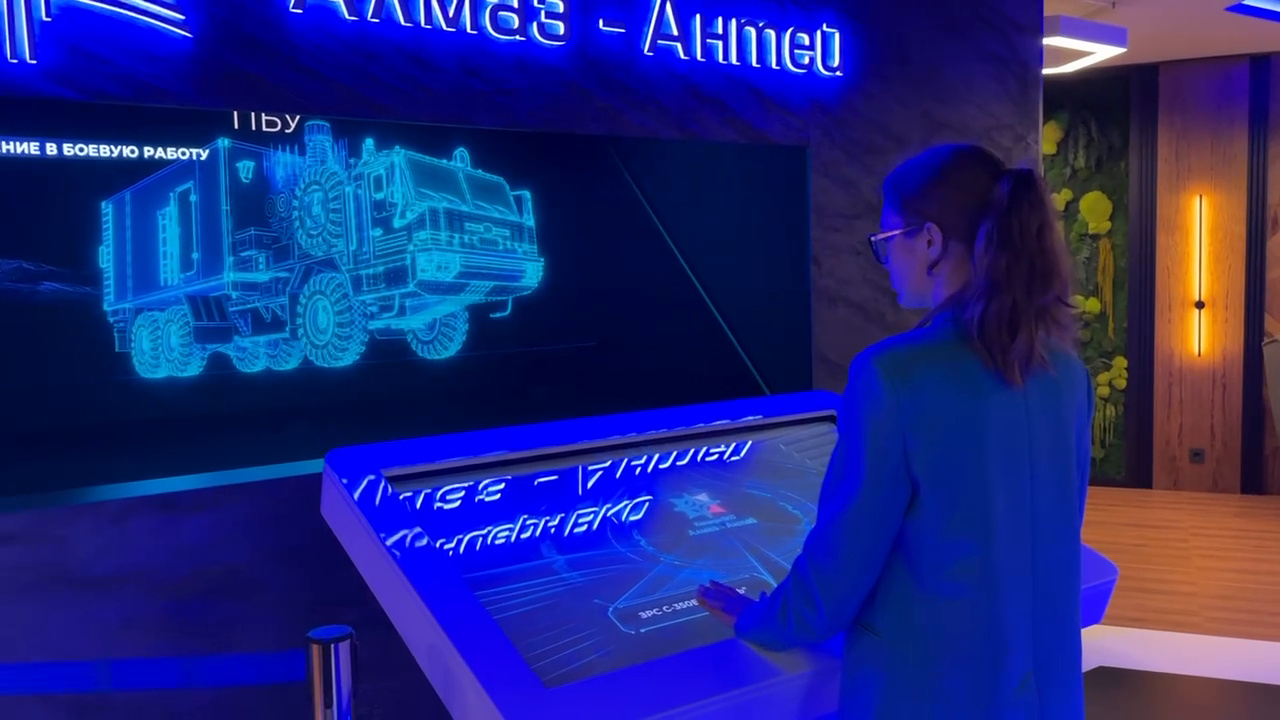 Almaz-Antey — the S-350E Vityaz air defence missile system at the ARMY 2023 forum
/2023 — Exhibitions
Almaz-Antey — the S-350E Vityaz air defence missile system at the ARMY 2023 forum
/2023 — Exhibitions